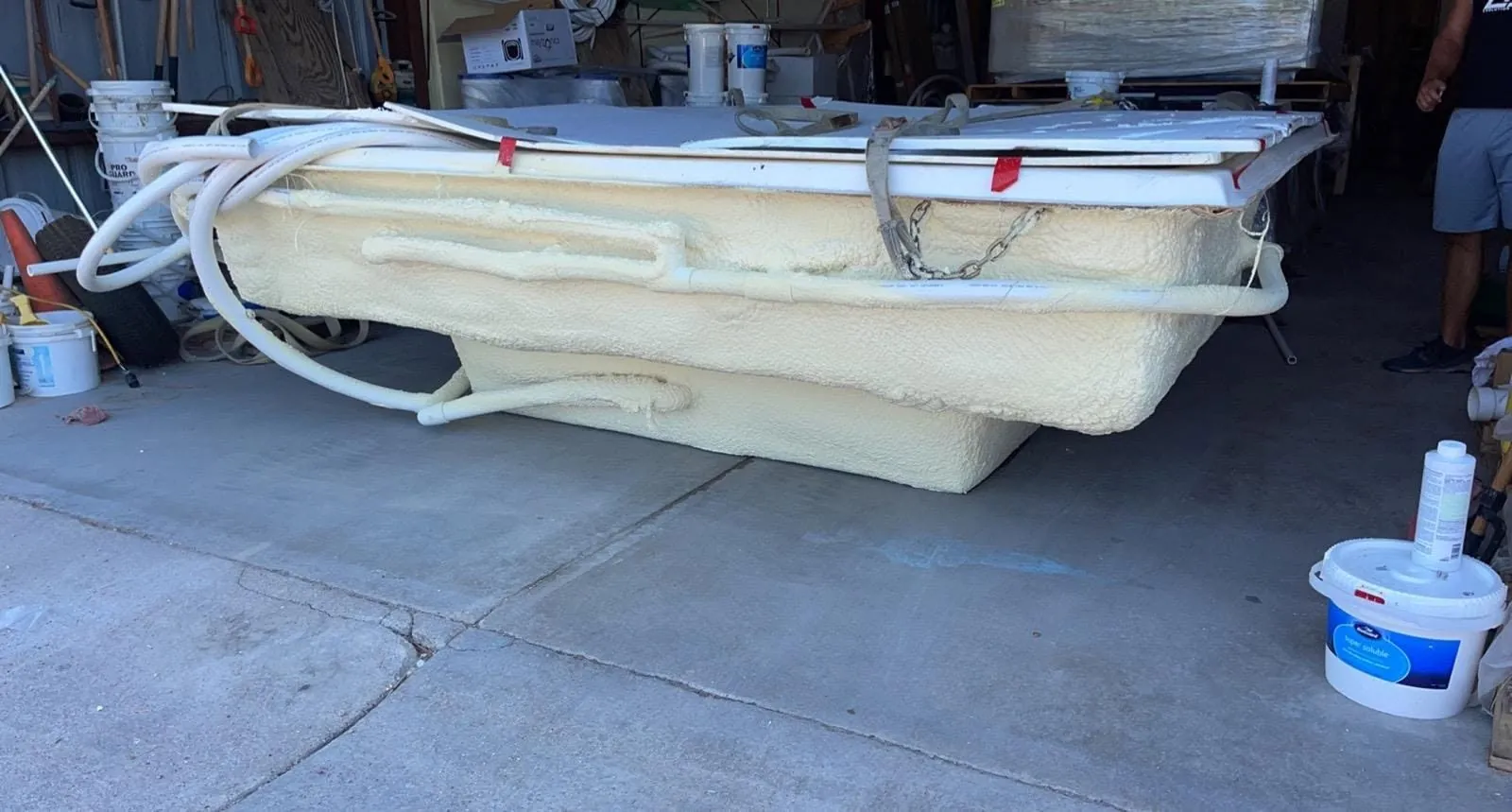
Open cell spray foam is the workhorse of residential foam insulation in Arizona. It is light, it expands a lot, and at the thickness we typically install it, it stops air leakage cold. For most single-family homes in the Phoenix area, when someone asks us what we would put under their roof deck, the honest first answer is open cell.
This page explains why, where it earns its keep, and, just as important, where we would steer you toward something else.
The idea: move the insulation up to the roof deck
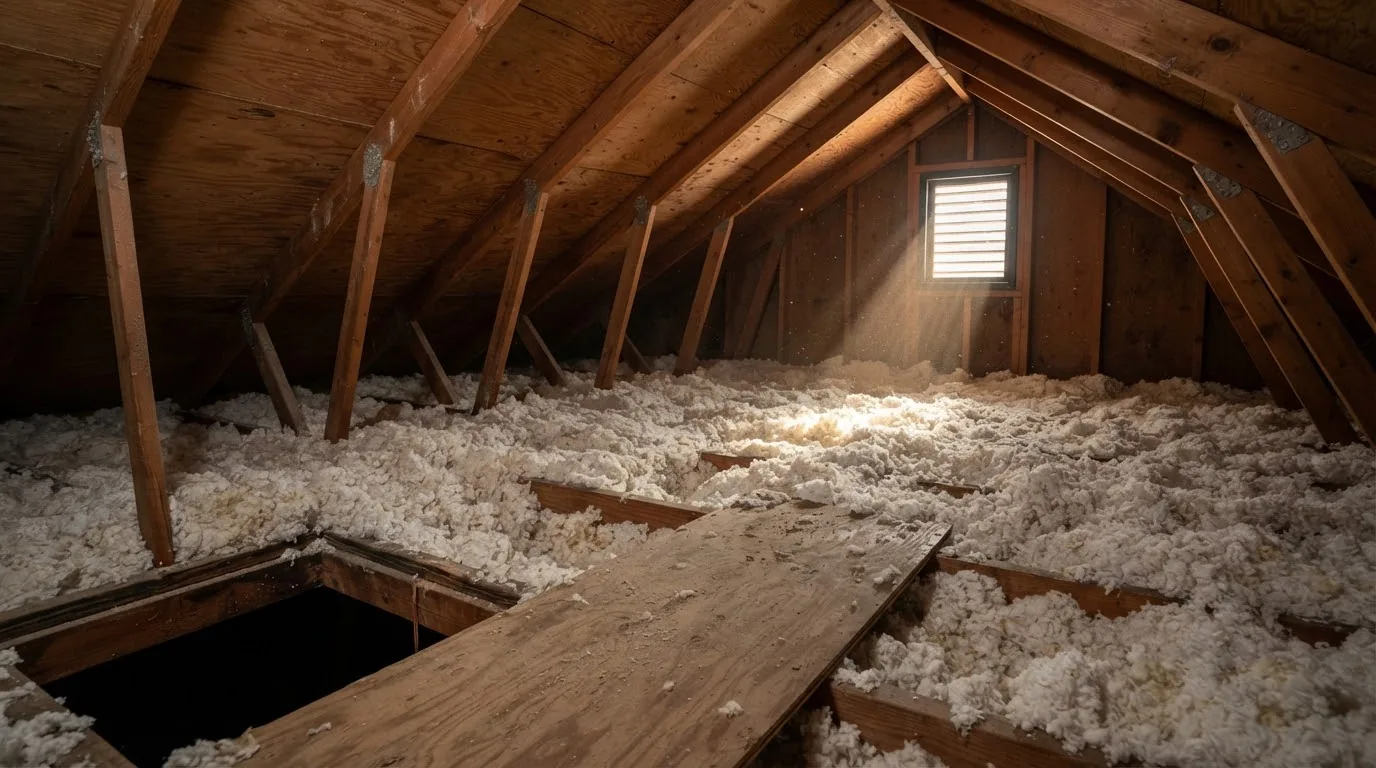
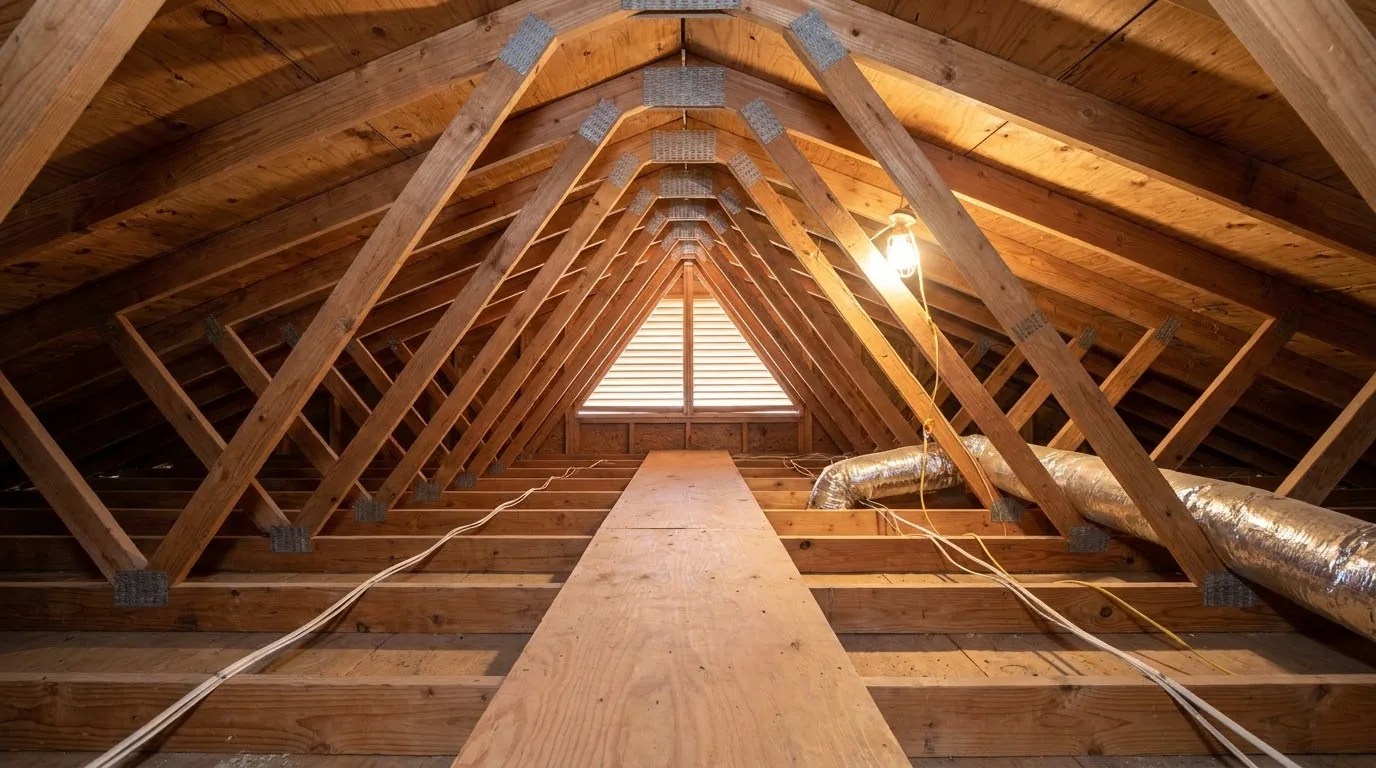
Most Valley homes were built with a vented attic. Insulation sits on the ceiling drywall, vents let outside air flow through the attic, and the attic itself is treated as outdoors. That design has one big problem here: the ductwork and often the air handler live up there too.
On a summer afternoon, those ducts are surrounded by air that can be well above the temperature outside. Cool air leaving the AC picks up heat before it ever reaches a register. Any leak in a duct joint dumps conditioned air into the attic.
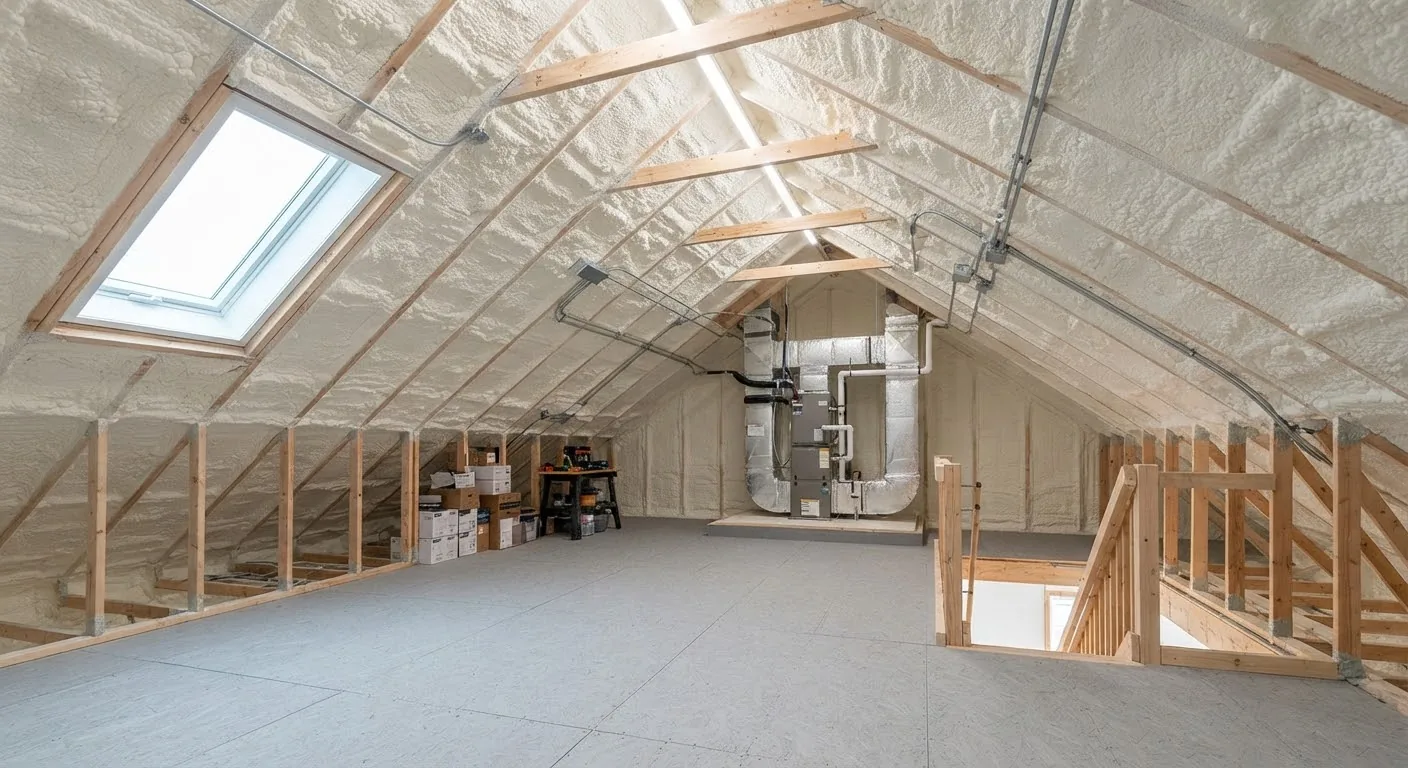
Spraying open cell foam on the underside of the roof deck and gable walls, and closing off the attic vents, creates what is called an unvented or conditioned attic. The thermal boundary moves from the ceiling to the roof. The attic stops being an oven and becomes a semi-conditioned buffer space, and the ductwork ends up inside it rather than outside it.
Building codes allow unvented attics when they are built correctly, and part of our assessment is making sure the details work for your house: roof type, mechanical equipment, combustion appliances and existing ventilation.
What open cell does well
It seals air at a reasonable thickness
Open cell expands to roughly a hundred times its liquid volume. It pushes into the gaps where the roof deck meets the top plates, around rafters and trusses, and around penetrations. At typical roof-deck thickness, it forms an air barrier, which is a big part of why foamed attics feel so different.
It offers good value per R
Open cell runs roughly R-3.5 to R-3.8 per inch. That is lower per inch than closed cell, but open cell uses far less material per board foot, so the cost for each unit of R-value is usually lower. In a typical home attic where there is plenty of depth between rafters, you can reach a solid thermal value without paying for the density of closed cell.
It makes rooms quieter
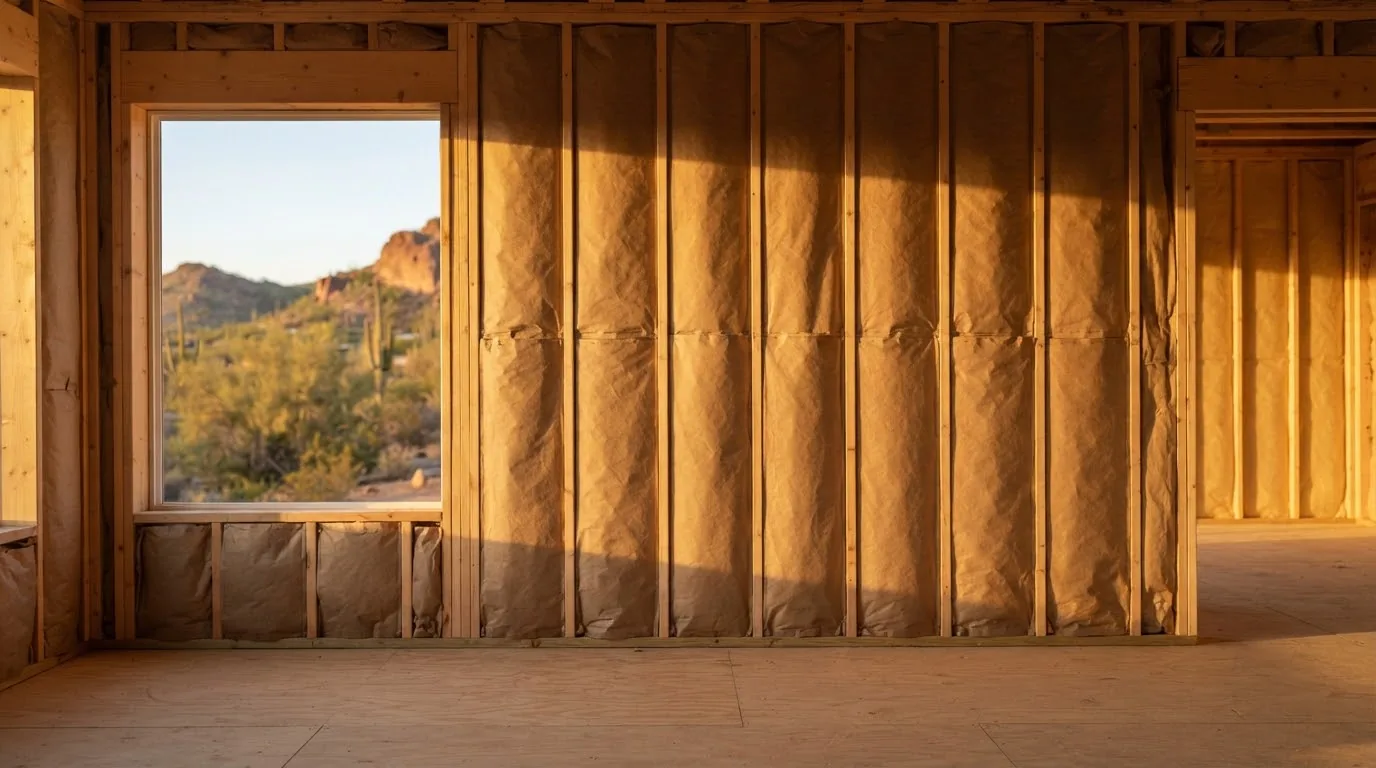
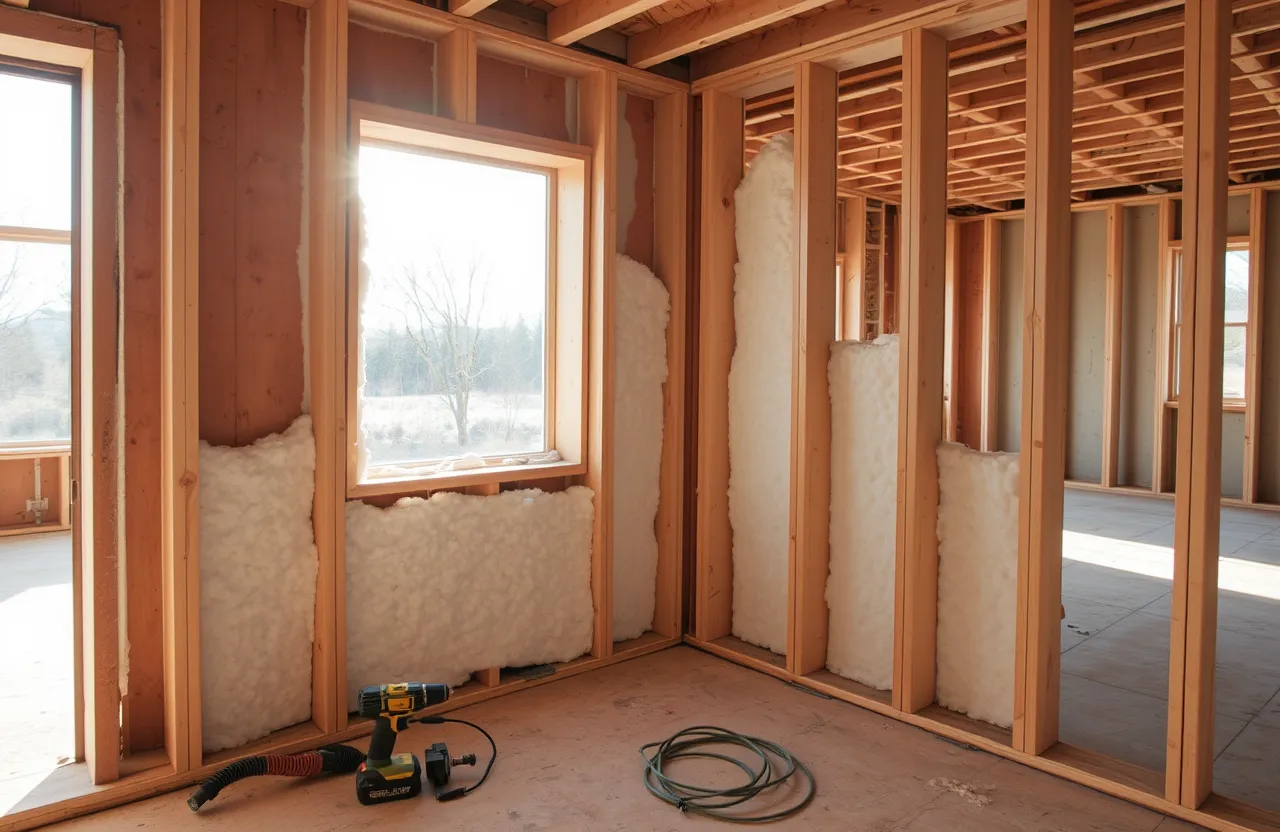
The soft, open structure absorbs sound. Homeowners often notice it first as a quieter house during monsoon rain on the roof, or less noise from a nearby road. It is also a common choice for interior walls around home offices, media rooms and bedrooms where sound control matters more than thermal value.
It lets the assembly breathe
Open cell is vapor-permeable. If a small roof leak ever happens, moisture can move through the foam rather than being trapped against the deck, which makes the leak easier to find and lets the wood dry. That is a real advantage on roofs that will age over decades.
When open cell is the wrong call
We would rather lose a job than install the wrong product. Here is where we usually recommend something else:
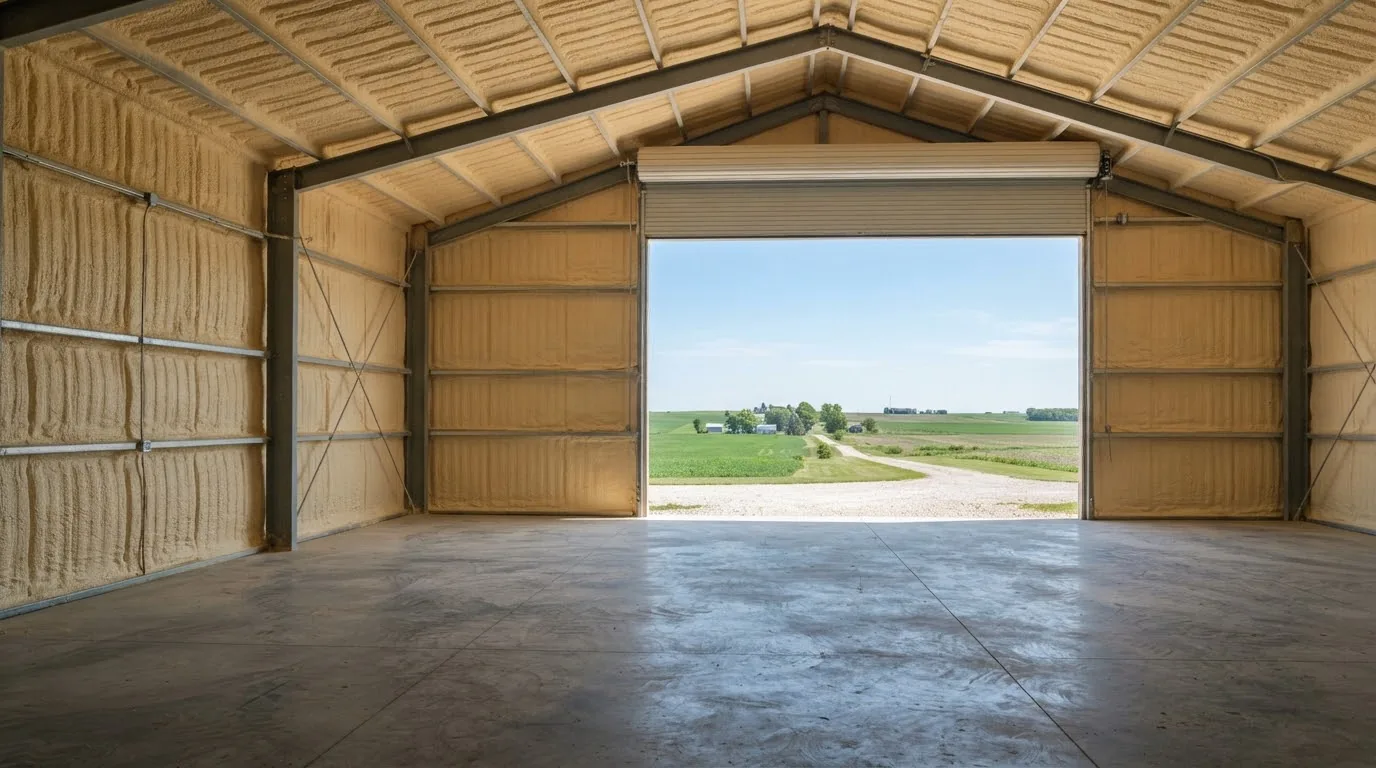
- Metal buildings and pole barns. Metal panels sweat when temperatures swing. You want a vapor retarder bonded to the steel, which is a job for closed cell spray foam.
- Shallow cavities that need a lot of R-value. If there is only a few inches of depth, closed cell's higher R per inch gets you further.
- Anywhere it will be exposed to water or ground contact. Open cell is not meant to be a moisture barrier.
- Some tight budgets with simple attics. If the ducts are not in the attic and the attic is easy to reach, topping up loose-fill on the attic floor can be the more economical option.
A typical open cell attic, start to finish
The assessment. We look at the attic, the roof framing, the ductwork and the vents, and we ask about the rooms that bother you. Free, no pressure.
The proposal. You receive a detailed written proposal: the area to be foamed, the target thickness, how vents and gable openings will be handled, and the price. If we spot something worth fixing first, such as a roof leak or damaged insulation that needs to come out, it is listed separately so you can decide.
Install day. We schedule at a time that works for you. The household and pets need to be out of the home during spraying and for a period afterward while the foam cures and the space is ventilated; we give you the timeline in advance. The crew masks and protects the areas around the work.
Cleanup and walk-through. Overspray and trimmings are cleaned up, the attic access is left tidy, and we walk you through what was done.
Warranty. Completed work is backed by our warranty, and we explain the terms before you sign.
Get a free open cell foam assessment
Arizona homes we see most
Single-story stucco-and-frame homes with tile roofs, two-story houses with a hot upstairs, and newer builds in fast-growing areas like Gilbert and Mesa where the original attic insulation was the code minimum. Each of these tends to benefit from a sealed roof deck, though the details differ house by house.
Open cell is mostly a residential product for us, but it also suits some commercial spaces: offices, finished interiors and buildings where sound control is part of the goal.
For the full picture on foam types and where each one goes, start at the spray foam insulation overview.