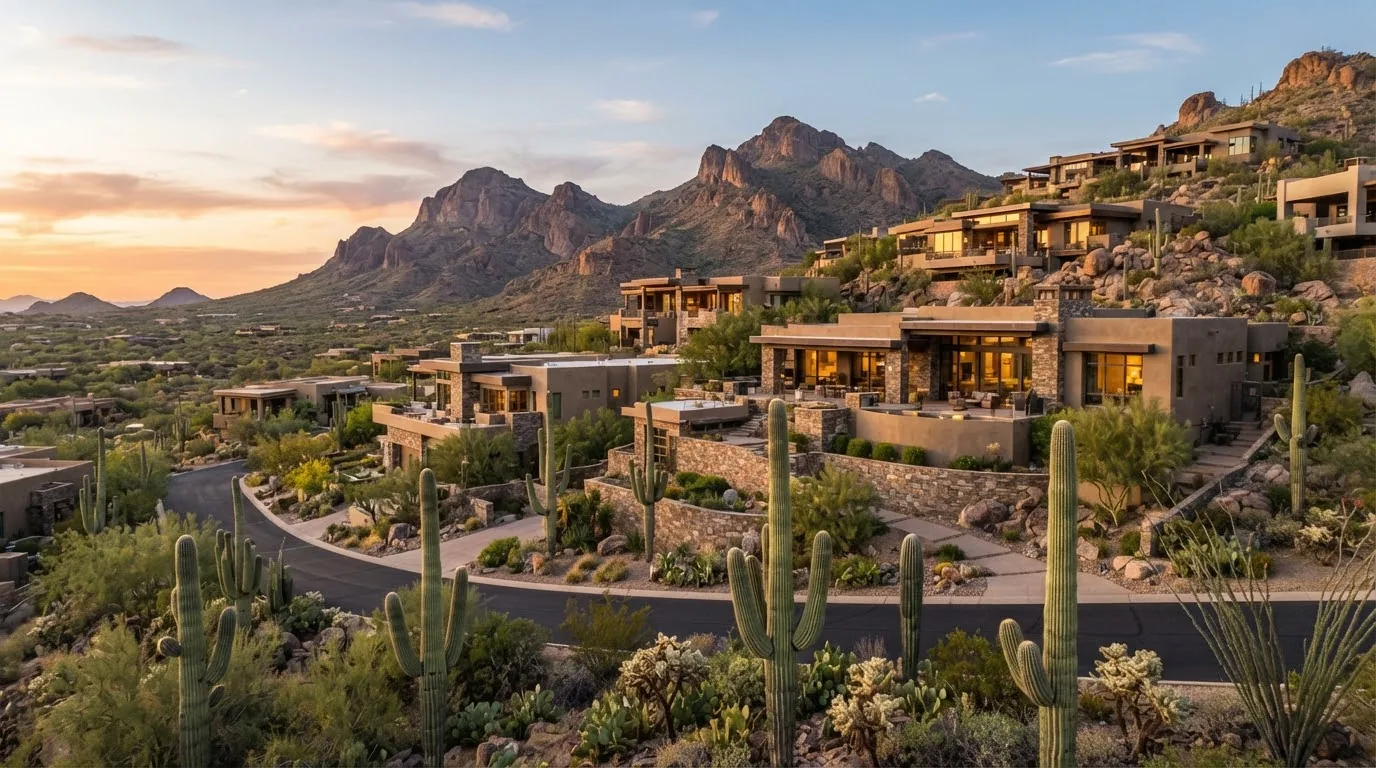
Peoria stretches a long way north to south, and its homes change as you go. Near the older center of town you find smaller, older houses. Through the middle of the city are the subdivisions that filled in during the 1990s and 2000s. Keep driving north and the development gets newer, the lots get roomier, and the desert starts to open up.
We serve the whole length of it. The question we always start with is simple: what was this house built with, and what has happened to it since?
The typical Peoria attic
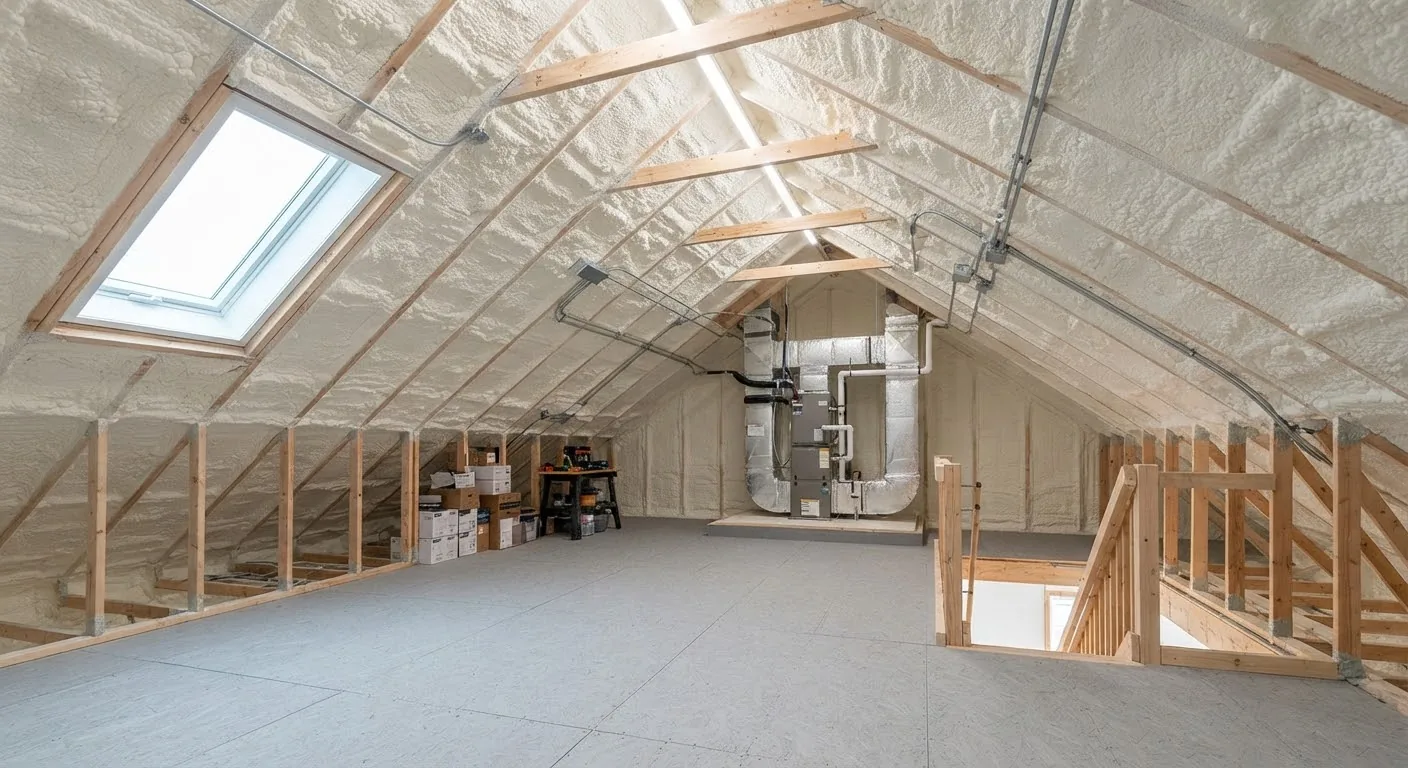
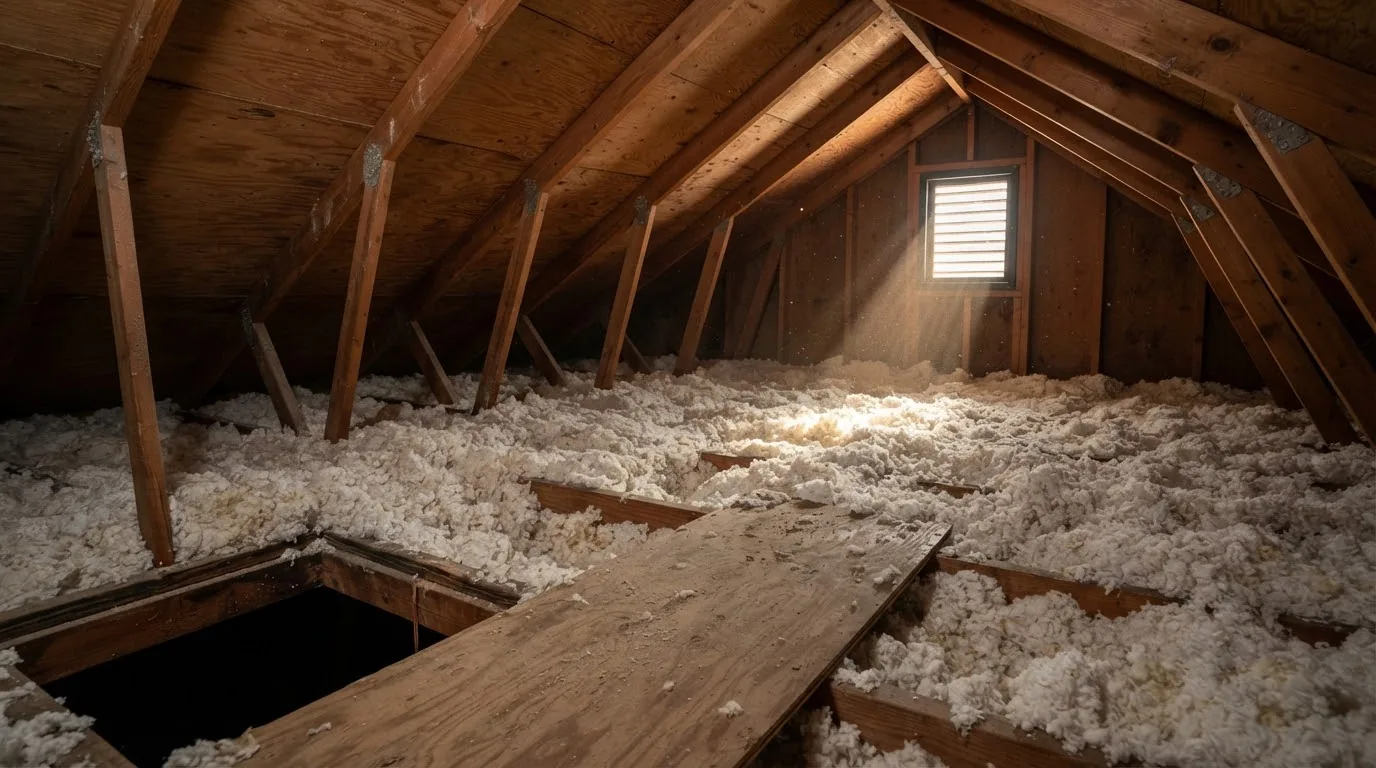
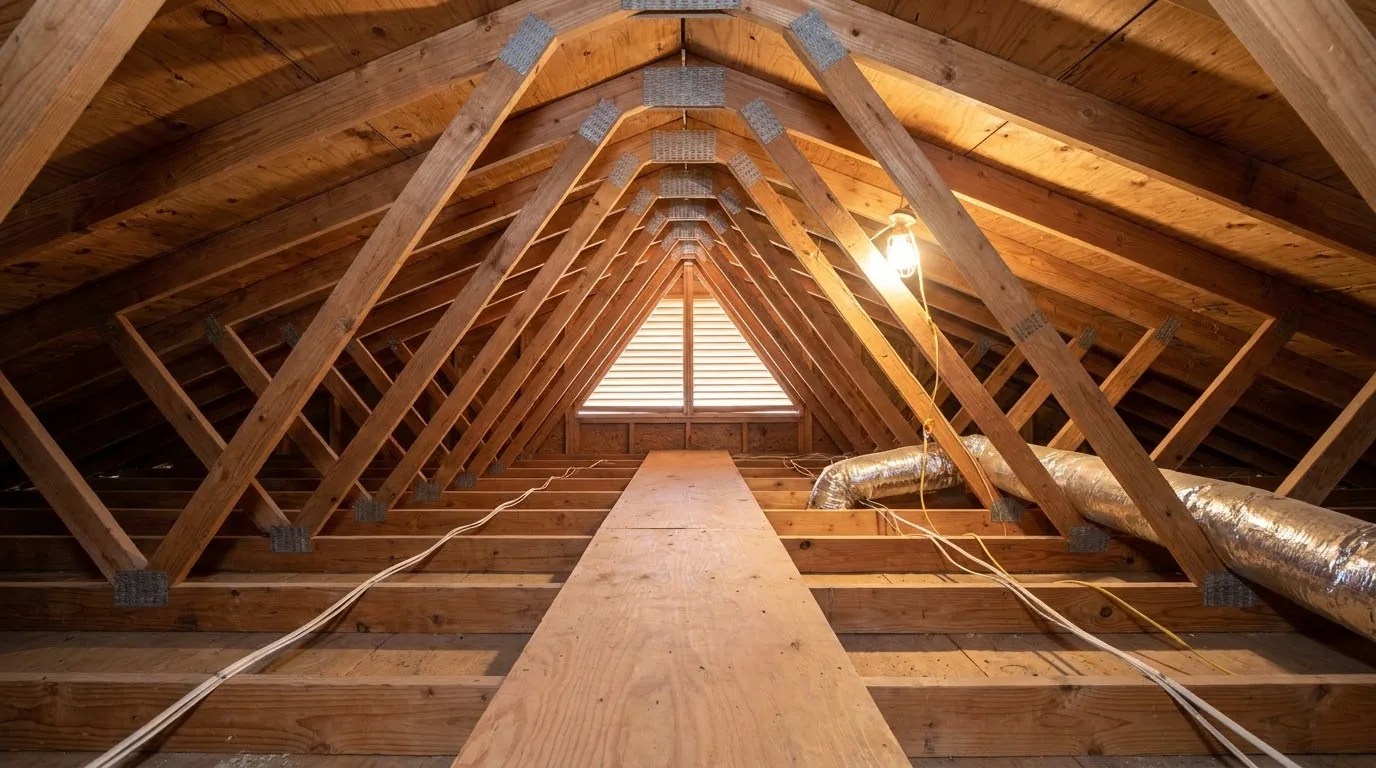
Most Peoria homes we see have a pitched roof, usually tile or shingle, with a vented attic above the ceiling. That attic holds loose-fill or batt insulation on the floor, and very often the ductwork and air handler too.
That layout is common across Arizona, and it works against you in summer. The attic can get far hotter than the air outside, and every duct up there is sitting in it. If insulation has settled or shifted, the ceilings below warm up and the AC runs longer to keep up.
There are three ways we usually approach it:
- Add depth. Blown-in insulation on top of what is there is often the fastest, most affordable improvement when the existing layer is clean.
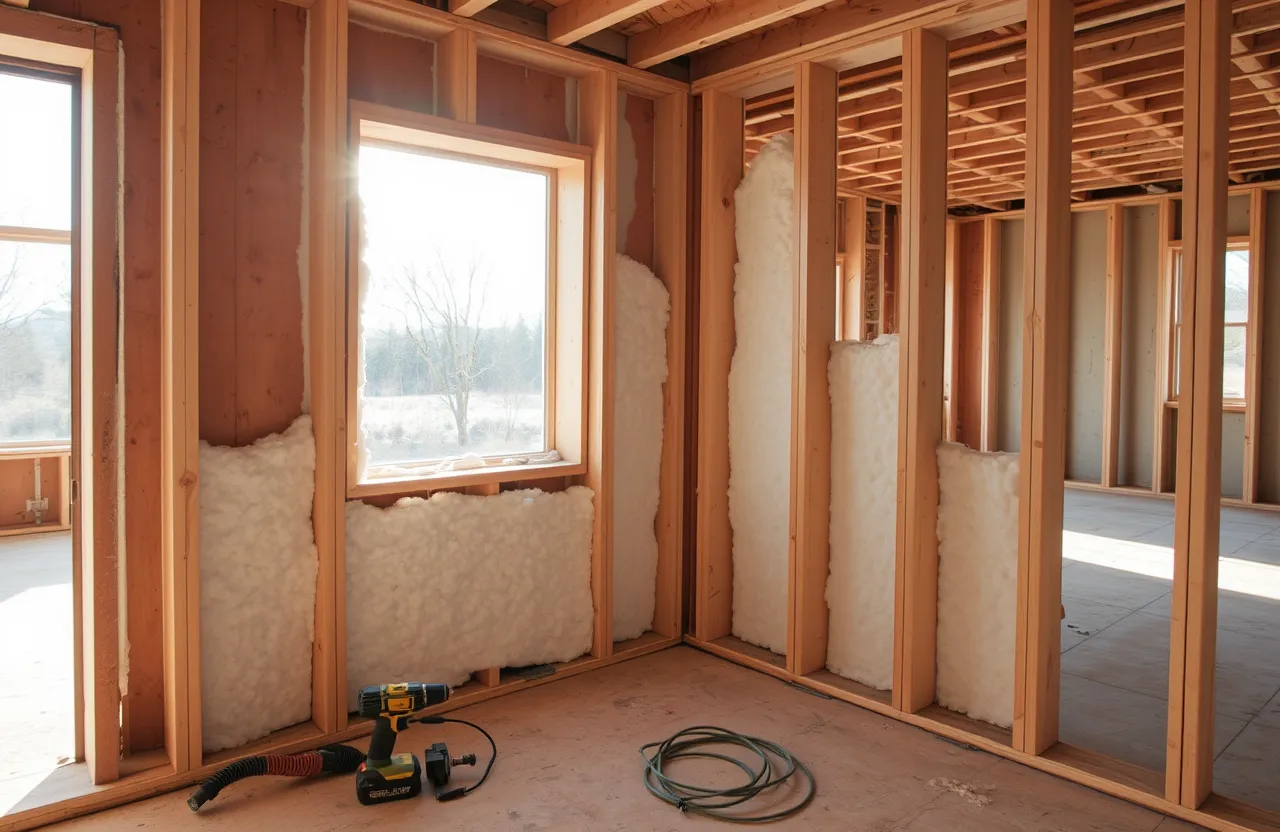
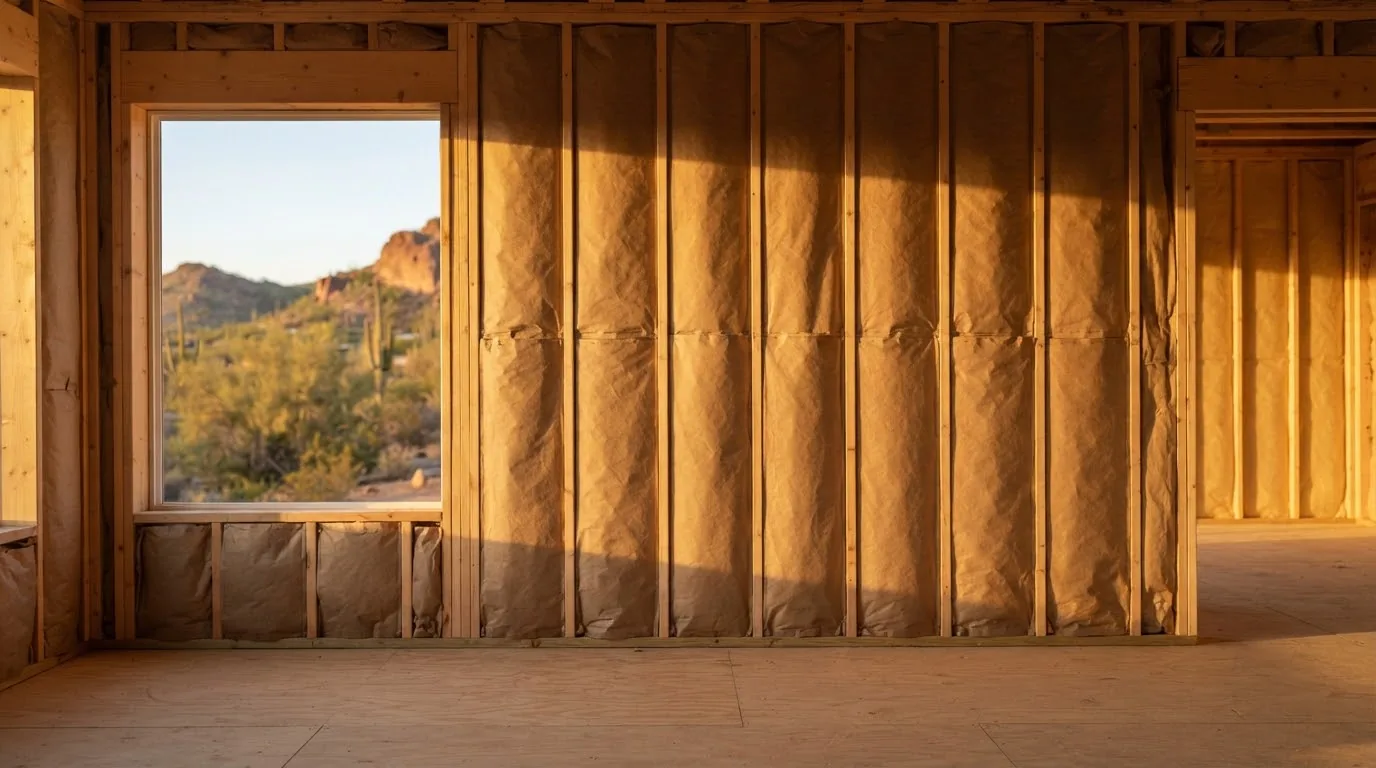
- Fill the framing. Fiberglass batts suit open walls in additions, garages being finished, or any space where the studs are exposed.
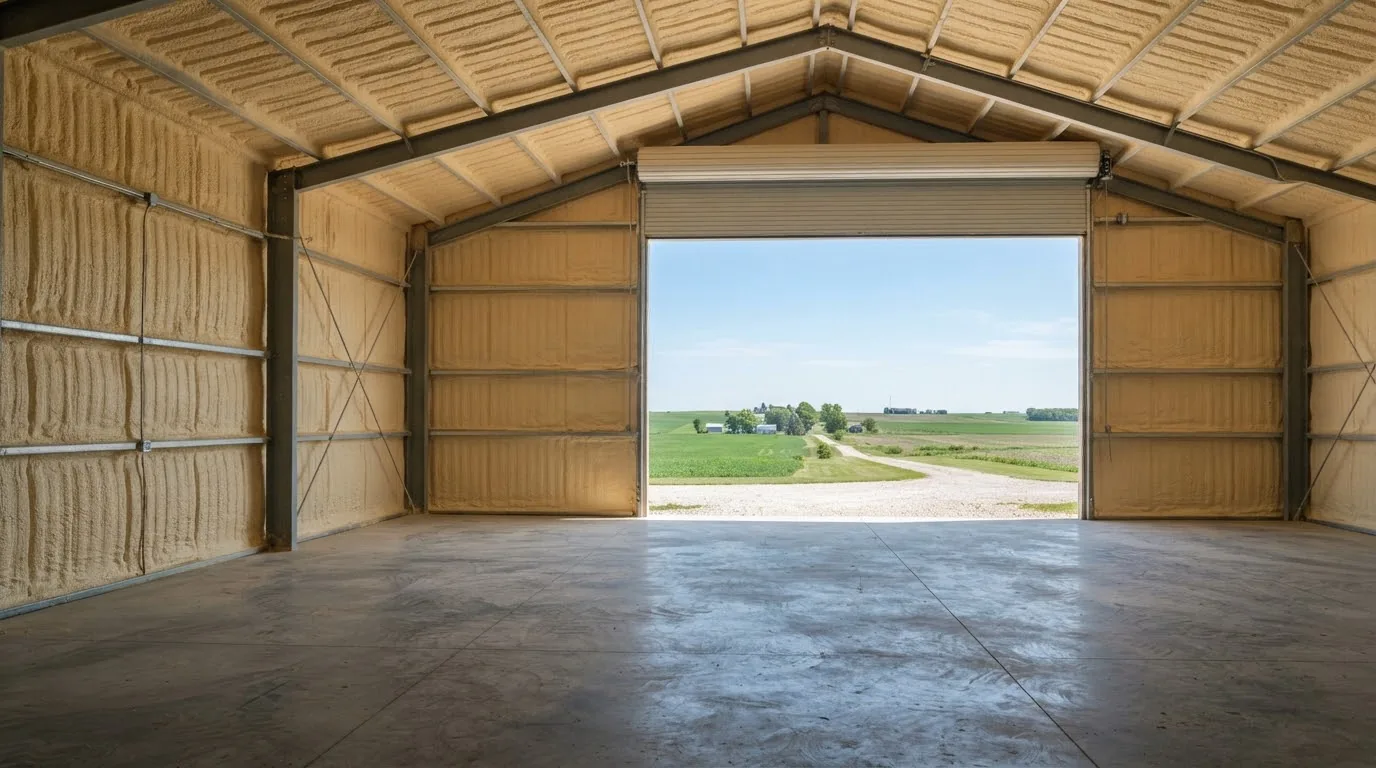
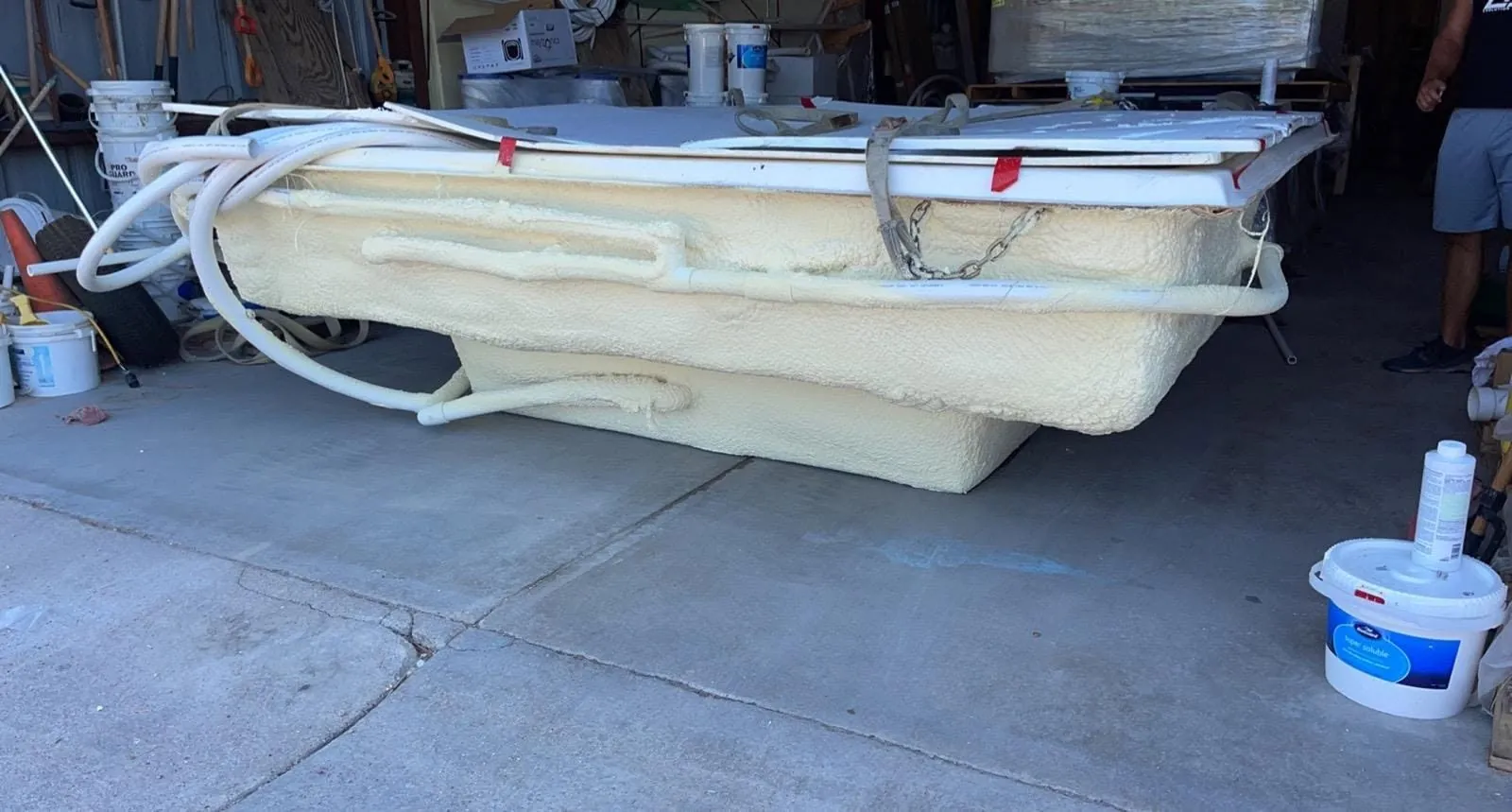
- Seal the roof deck. Spray foam insulation applied under the roof turns the attic into a semi-conditioned space and pulls the ducts out of the heat.
Newer north Peoria homes
A newer home is not automatically a well-insulated one. Builders generally hit code minimums, and code minimums assume an average house, not one that faces west with a big two-story wall or a bonus room over the garage. We get calls from owners of fairly new houses who cannot keep an upstairs bedroom comfortable.
In those cases the fix is usually targeted: the room over the garage, a knee wall, or a section of attic where the insulation was never spread evenly. We point it out during the assessment so you are not paying to redo the whole house.
Dust, storms and the attic
Monsoon season brings wind and dust across the West Valley. Fine dust works its way into attics through vents and gaps, and over time it can coat insulation and ride into the house through leaky duct joints. Air sealing during an insulation job helps keep more of that outside where it belongs.
Your power company in Peoria
Most of Peoria is served by Arizona Public Service. The West Valley does have some Salt River Project pockets, so check your bill if you are unsure. Summer cooling is the big line item either way.
How it works with us
Call or send the form and we will set up a free assessment. We measure, look at the attic, and then write you a clear proposal showing materials and scope. Install day is booked around your schedule. We protect the house, clean up completely, and stand behind the finished work with a warranty.
Get a free Peoria insulation assessment
Just south of Peoria, Glendale has a similar mix of homes. Browse the rest of the map on our service areas page.