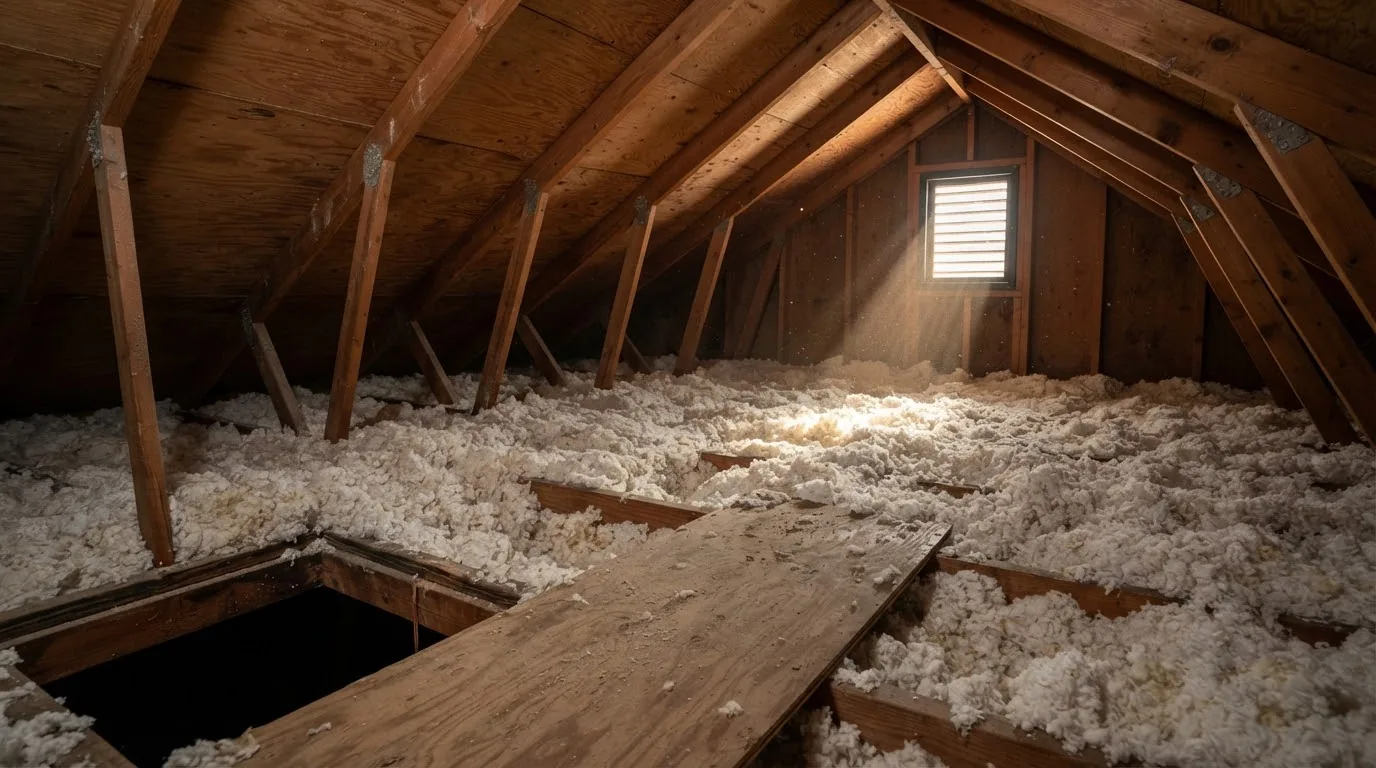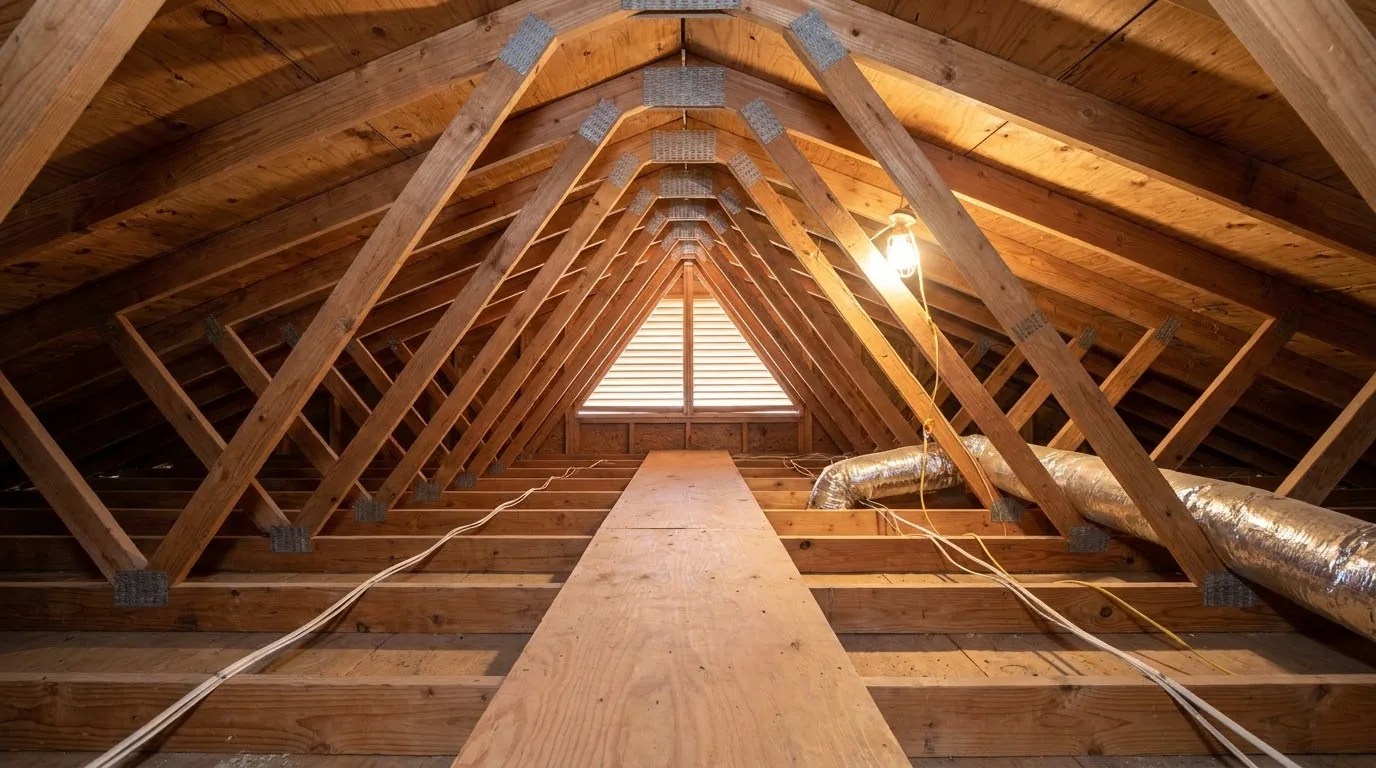
Insulation does not last forever, and in an Arizona attic it lives a hard life. Decades of heat, dust that blows in through the vents during every monsoon, roof leaks, rodents looking for shelter, and every technician who has crawled across it to run cable or service the air handler. At some point, what is up there stops doing its job and starts causing problems of its own.
Removing it is not glamorous work. It is, however, often the step that makes everything after it work properly.
When old insulation should come out
Adding new insulation on top of old is fine when the old material is clean and dry. These are the situations where we recommend taking it out instead.
Rodent and pest contamination
Roof rats and mice are a real problem in parts of the Valley, and attics are where they nest. Droppings, urine and nesting material in insulation create odors and are a health concern; the CDC advises against disturbing rodent-contaminated material without proper precautions. Covering it with new insulation buries the problem rather than solving it. It should come out, and the entry points should be dealt with by pest control.
Water damage from roof leaks
A monsoon leak can soak a section of insulation. Wet fiberglass mats down and loses most of its value; wet cellulose clumps, gets heavy and can stain or sag the ceiling. Damp insulation can also support mold. Once the leak is fixed, the damaged material should be removed.
Smoke and fire damage
After a fire, even a small one, attic insulation can hold smoke odor for a very long time. Removal is often part of restoring the home.
Compressed and trampled insulation
HVAC replacements, solar installs, cable runs and general attic traffic flatten insulation. Compressed insulation loses much of its effective R-value, and trampled paths leave bare ceiling exposed to a superheated attic.
Before converting to a foamed roof deck
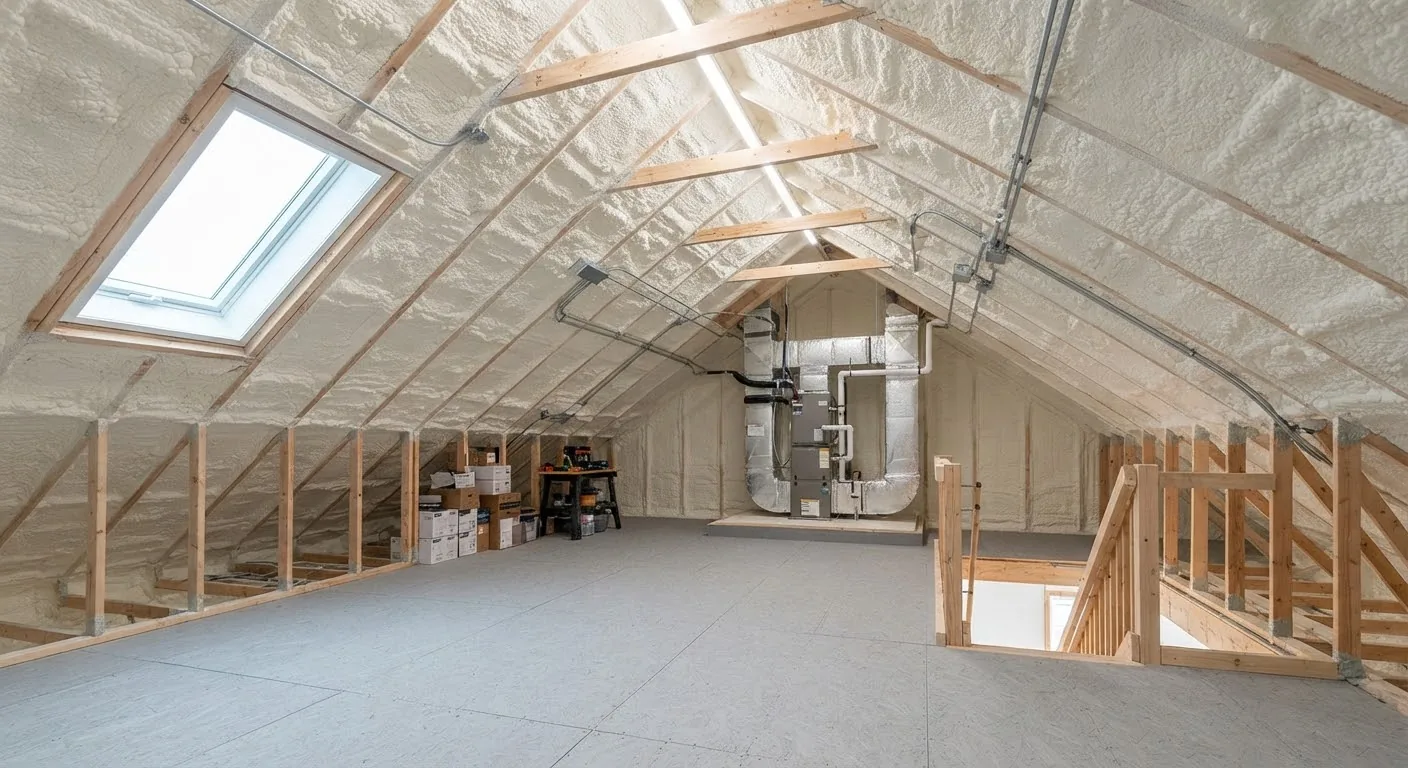
When we spray foam the underside of the roof deck to create a conditioned attic, the old insulation on the attic floor is no longer doing much. Removing it is sometimes part of the plan, especially if it is dirty or damaged.
Old or questionable material
If an attic contains vermiculite, a gray-brown pebbly loose-fill found in some older homes, it should not be disturbed until it is tested, because some vermiculite has contained asbestos. EPA guidance is to leave it alone and have it checked by a qualified professional. We will flag it if we see it and will not remove it without testing.
How vacuum removal works
Most attic insulation removal is done with a high-powered insulation vacuum. The machine stays outside, usually in the driveway or beside the house, with a large hose run to the attic.
- Protect the path. Floors, entry routes and the attic access are protected and sealed so dust does not reach the living space.
- Vacuum the insulation. The crew works through the attic, feeding loose material into the hose. It travels out of the house into large collection bags outside.
- Hand-clean the edges. Corners, eaves and tight spots around framing and ductwork get extra attention, since the machine cannot reach everything on its own.
- Bag and haul away. Bags are sealed and removed from the property for disposal.
- Final check. We inspect the attic floor to confirm it is clear and ready for the next step.
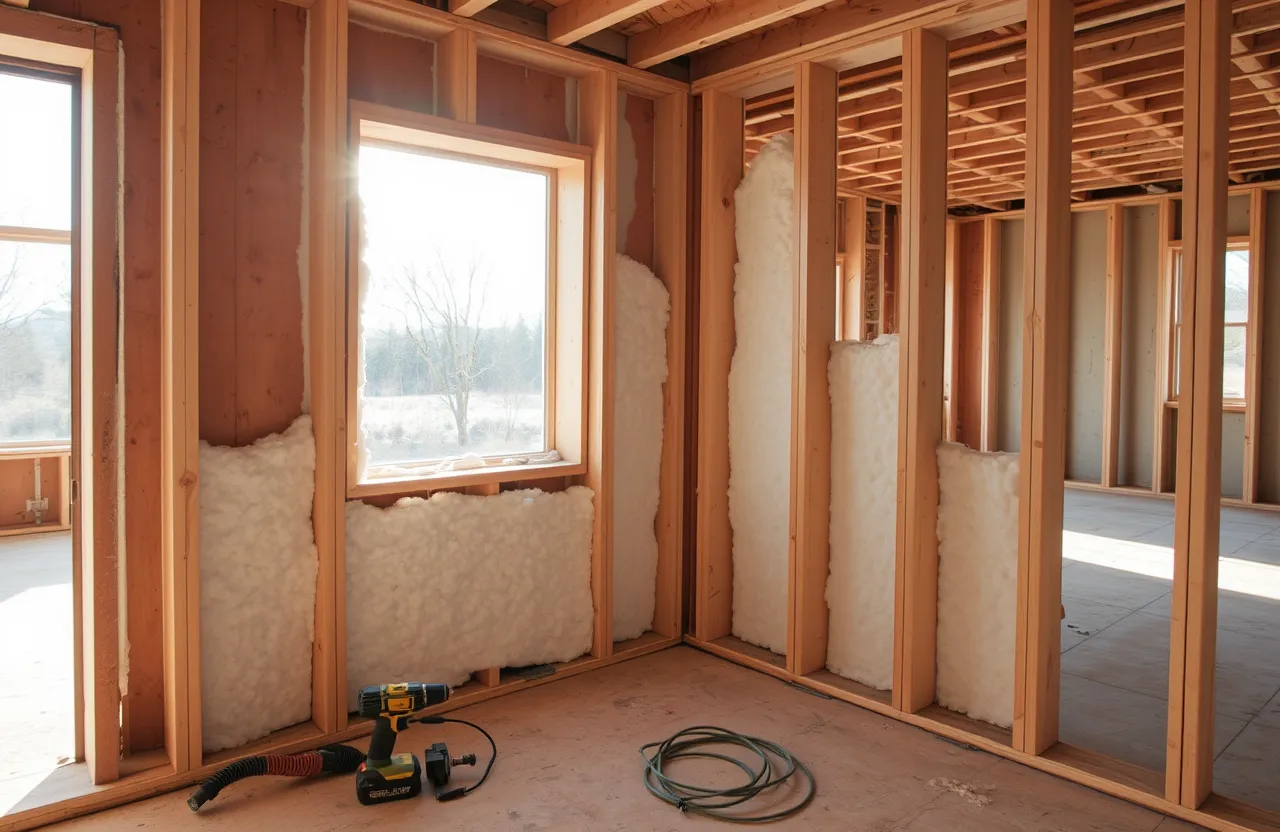
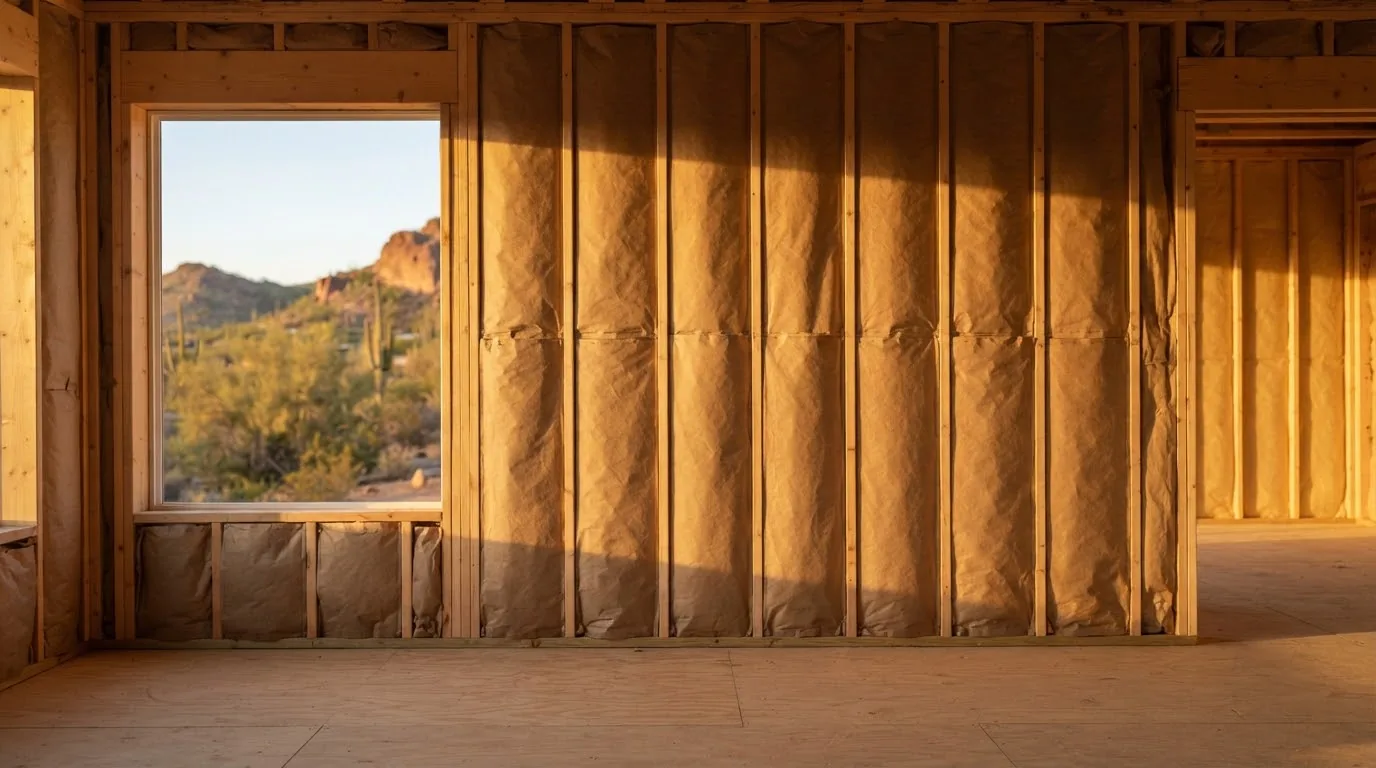
Batt insulation is removed by hand, bagged and carried out. Larger debris from old projects goes out with it.
Getting the attic ready for new insulation
An empty attic is the best opportunity you will ever get to fix what is usually hidden. Before new insulation goes in, we can:
- Air seal the ceiling plane. Gaps around fixtures, wiring, plumbing and top plates are much easier to seal with nothing in the way.
- Check ductwork for disconnected or crushed sections and flag them for your HVAC company.
- Confirm roof leaks have been repaired and the deck is dry.
- Install baffles and hatch dams to keep new insulation where it belongs.
Then the new insulation goes in, typically blown-in insulation on the attic floor, or spray foam on the roof deck if that is the better fit.
Cleanup is part of the job
Removal is dusty work, so cleanup is planned from the start, not left for the end. Protected paths and sealed openings keep dust in the attic. Outside, bags are contained and removed, and the work area around the house is left clean. Careful prep and immaculate cleanup are the standard we hold ourselves to on every job.
Homes and commercial spaces
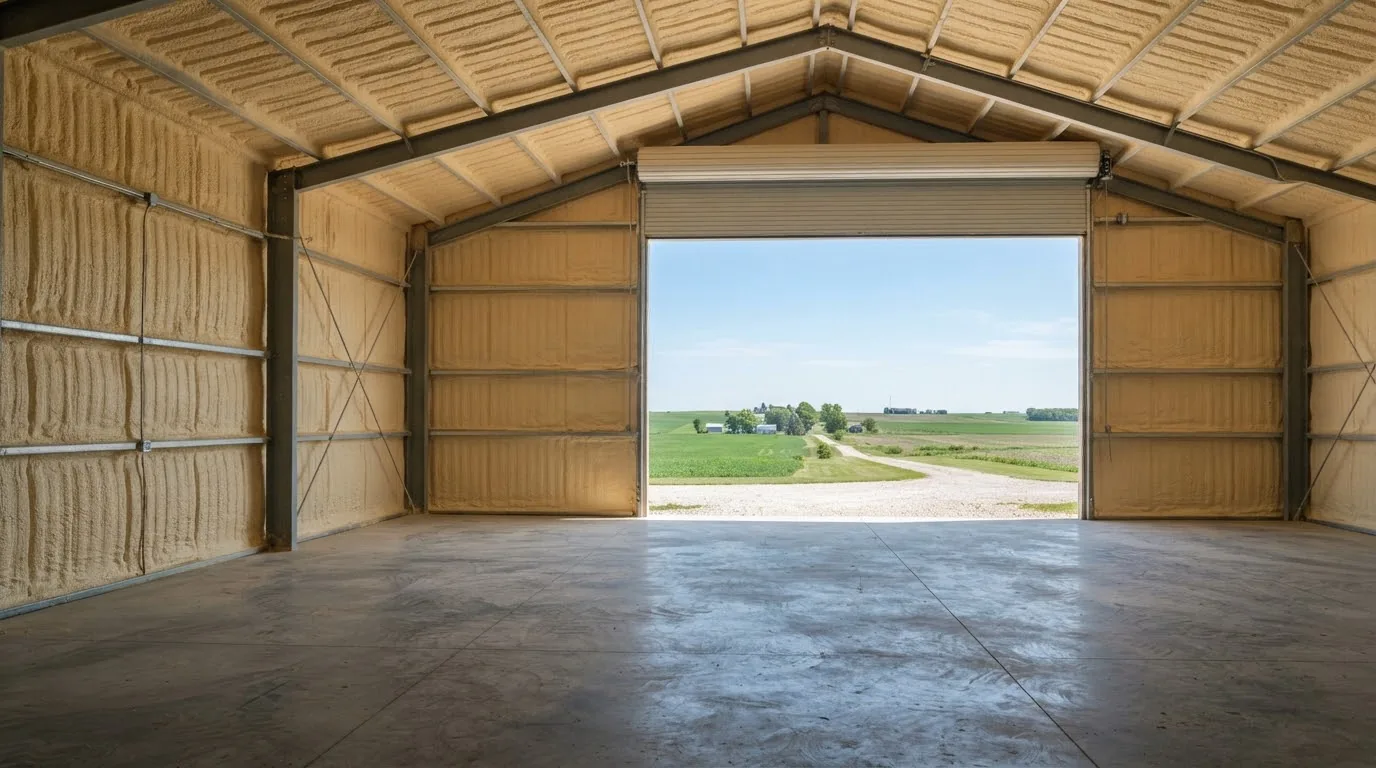
Most removal jobs are residential attics, but we also handle commercial spaces with damaged or contaminated insulation, including offices, retail units and light industrial buildings. We serve the whole metro, including Tempe and Peoria.
How it runs
Free assessment of the attic and the insulation's condition. A detailed proposal separating removal, prep and new insulation so you can see each cost. A scheduled date that suits you, ideally early in the day during summer. Warranty on completed work, explained up front. Thorough cleanup, inside and out.