The house is fighting the sun all day
On a July afternoon in the Valley the air outside can sit well above 110 degrees, and the attic above your ceiling gets far hotter than that. Every degree of that heat is trying to get down into the rooms you live in. The air conditioner's job is to pull it back out, hour after hour, often from late spring into October.
Insulation is the thing standing between those two numbers. When it is thin, settled, gapped or simply the wrong product for the space, the AC loses the argument. You feel it as a bedroom that never cools, a second floor that is five degrees warmer than the first, a unit that runs constantly, and a summer bill that makes you wince.
Good news: most of these problems are fixable, and a lot of them are fixable in a day or two.
What we look at in your home
During a free assessment we go into the attic and look at what is actually there, not what the builder's paperwork says.
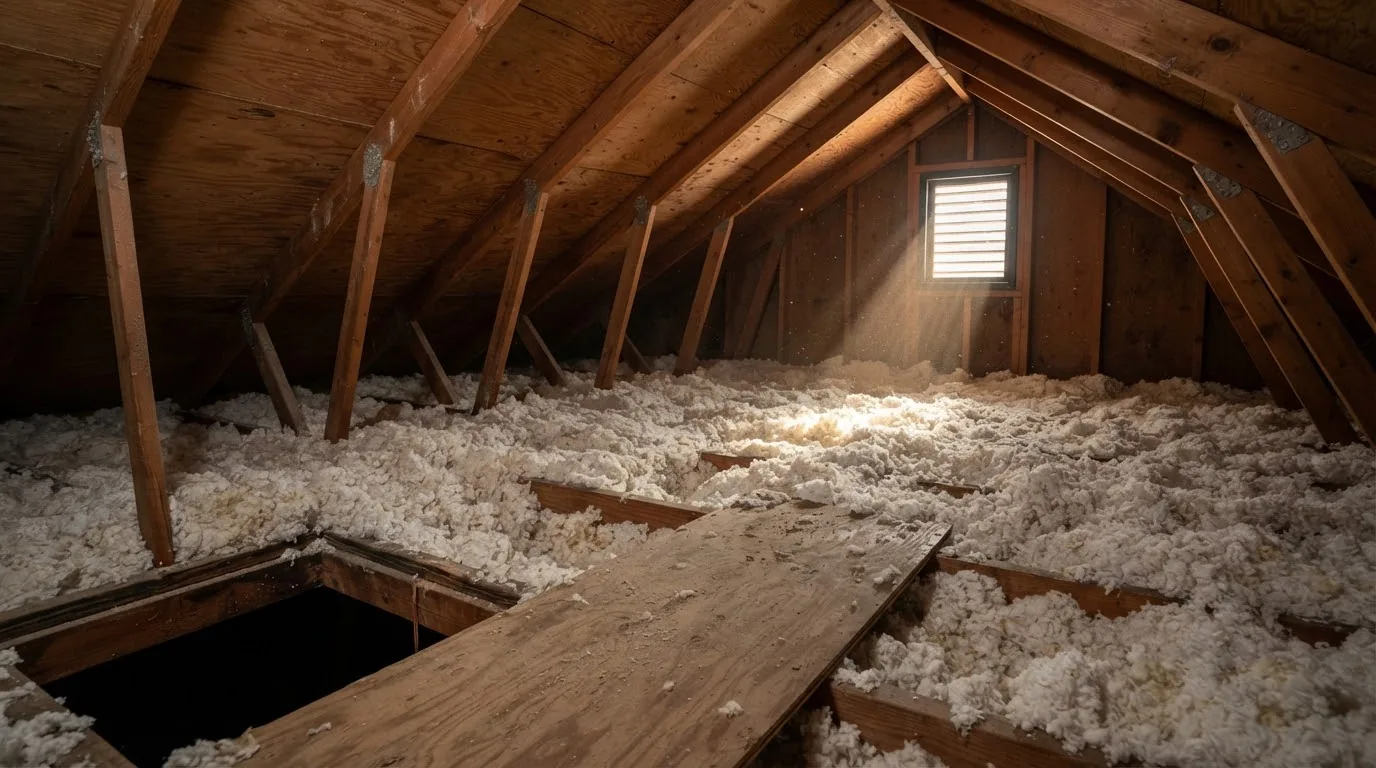
- Depth and condition. Blown-in insulation settles over time. Batts get pushed aside by cable installers, pest control and HVAC techs. We measure what you have.
- Air leaks. Gaps around can lights, plumbing stacks, attic hatches, top plates and ductwork chases let conditioned air escape and attic air in. Insulation that does not stop air movement only does half the job.
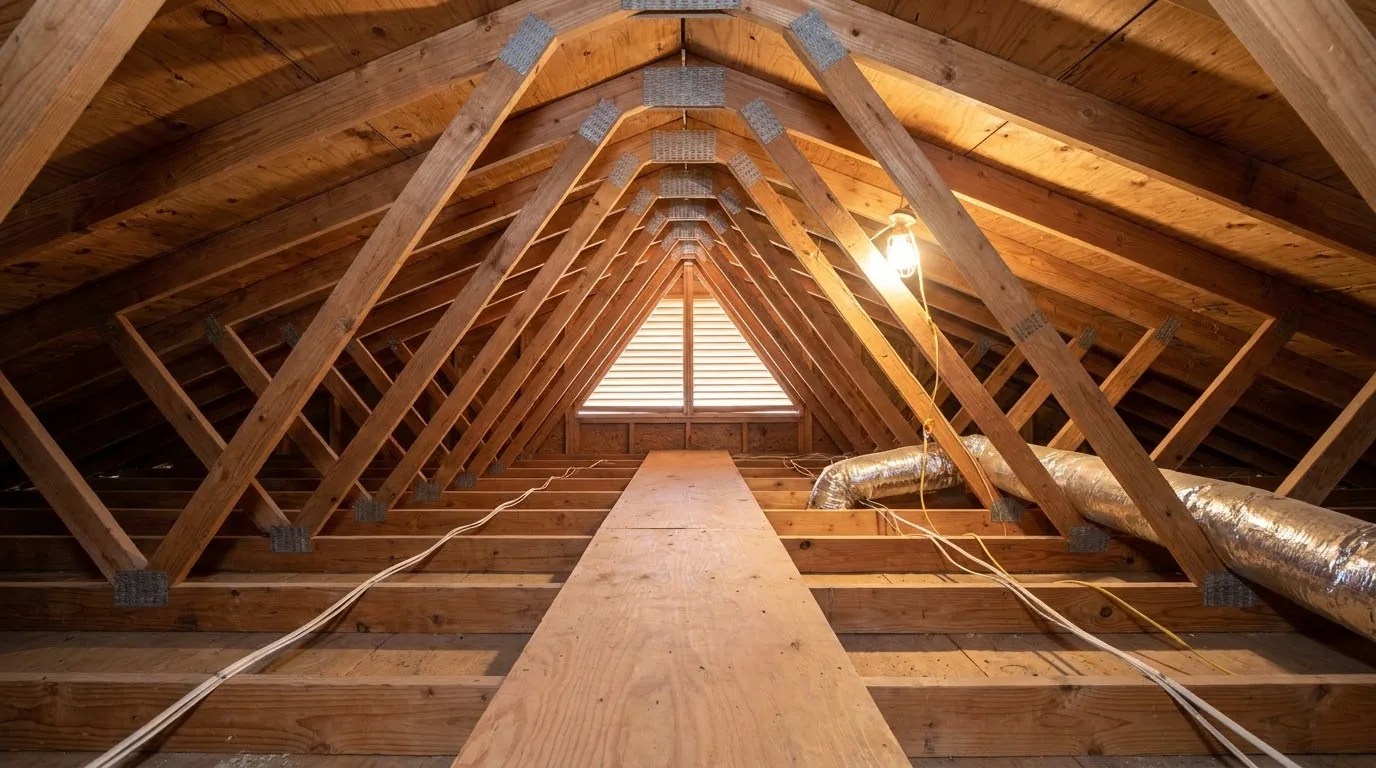
- Ductwork. Many Arizona homes run their ducts through the attic. Cool air leaving the air handler at 55 degrees is travelling through a space that can be well over 130. How that attic is insulated matters a lot.
- Contamination. Rodent activity, old roof leaks and smoke damage can ruin insulation. If it needs to come out, we will tell you.
Options that fit how you live
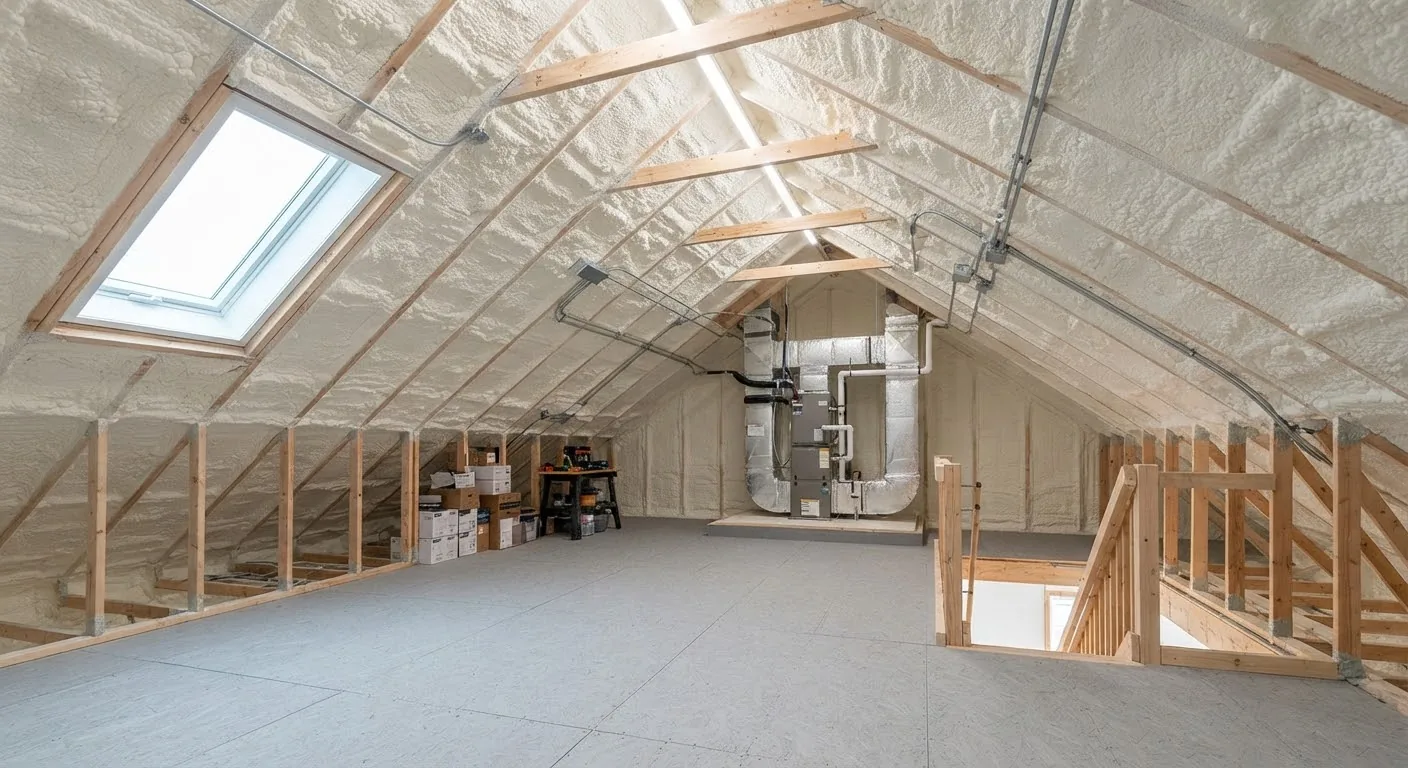
Spray foam on the roof deck
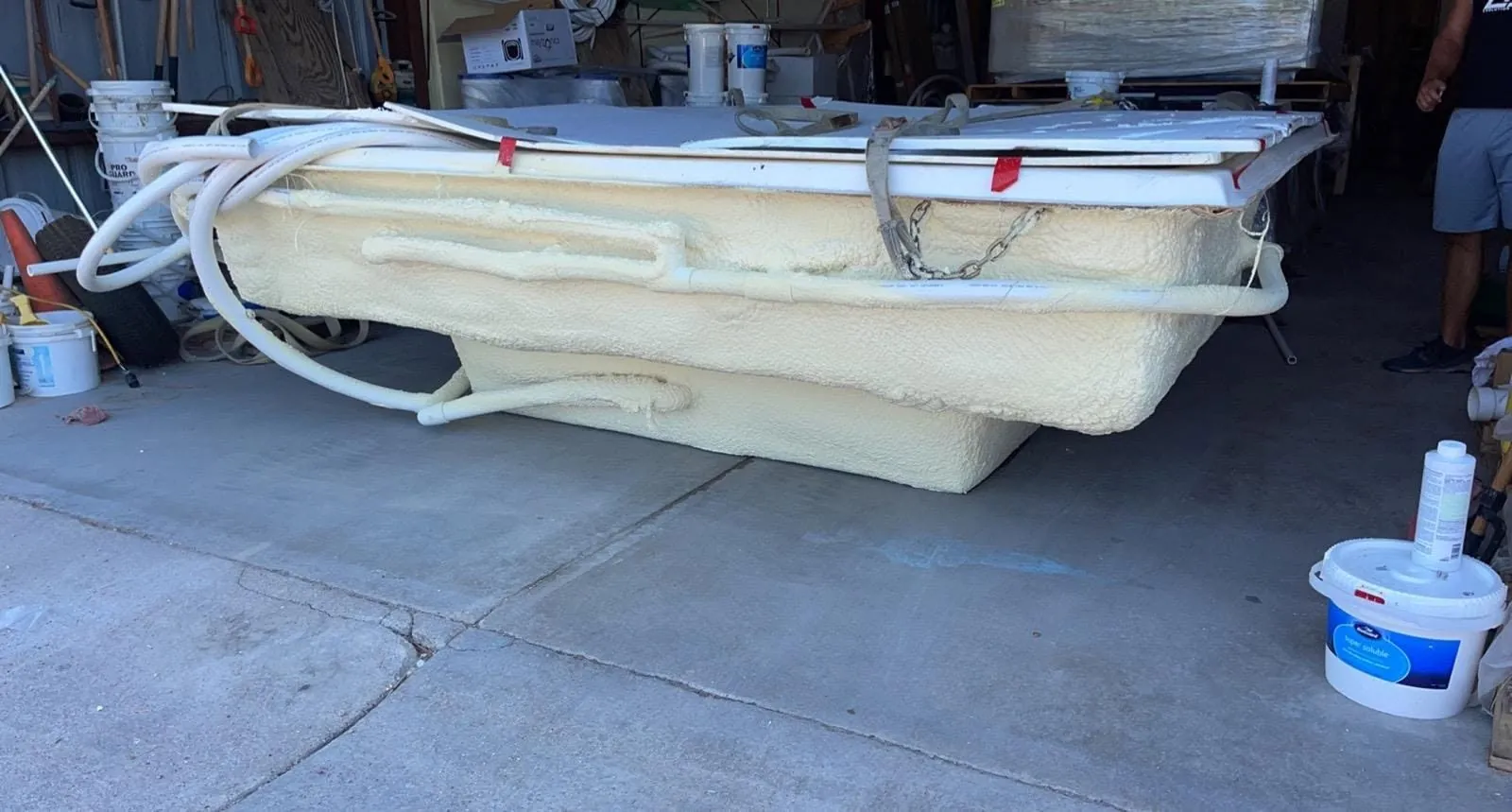
Applying open-cell spray foam to the underside of the roof deck brings the attic inside the thermal envelope. The attic stops being an oven, the ducts sit in a much milder space, and air leaks at the ceiling plane matter far less. This is one of the most effective upgrades for homes with attic ductwork.
Topping up with blown-in insulation
If the attic is vented, the ducts are in decent shape and the main problem is depth, blown-in insulation is a cost-effective way to bring the floor of the attic up to a proper level. We air seal the obvious leaks first so the new material can do its job.
Removal and a fresh start
Old insulation that is compacted, dirty or contaminated does not perform. Insulation removal clears the attic, lets us seal what is underneath, and gives the new insulation a clean surface to work from.
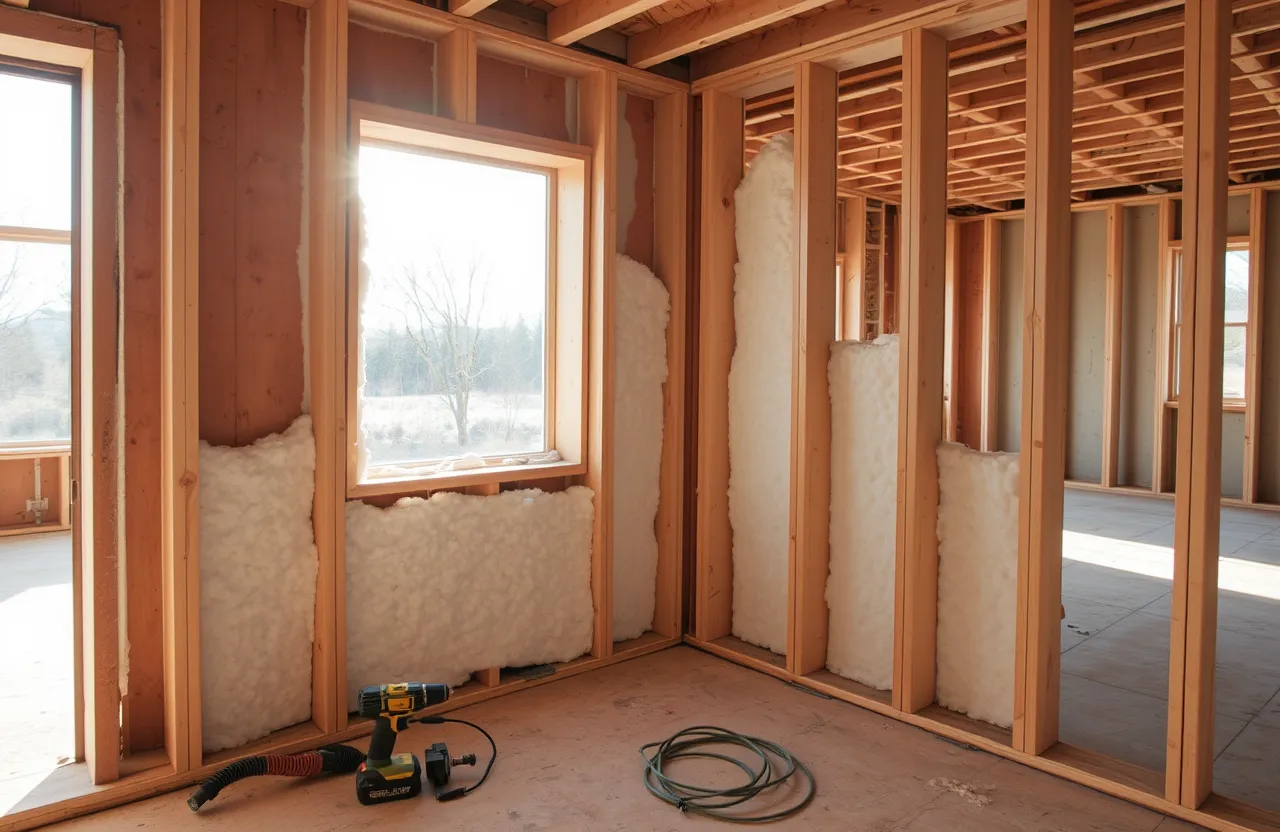
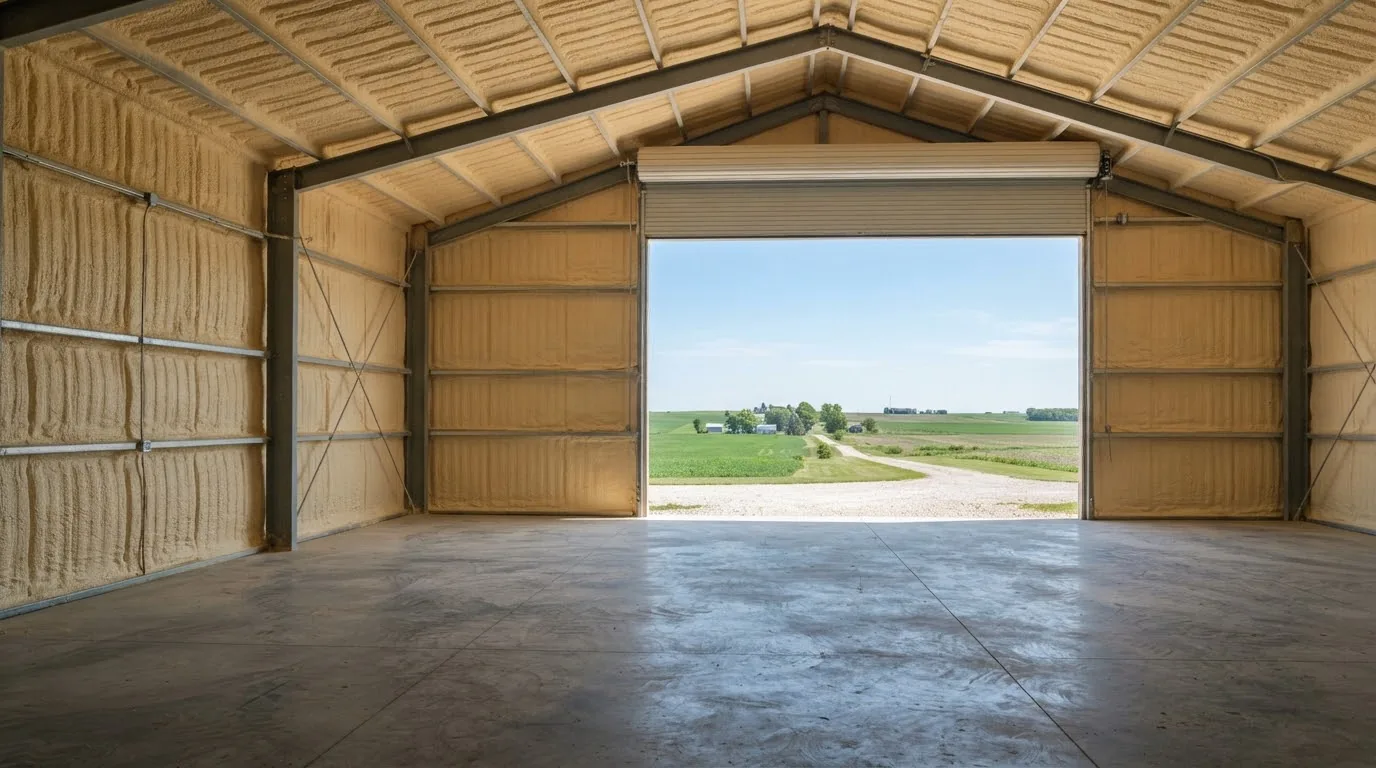
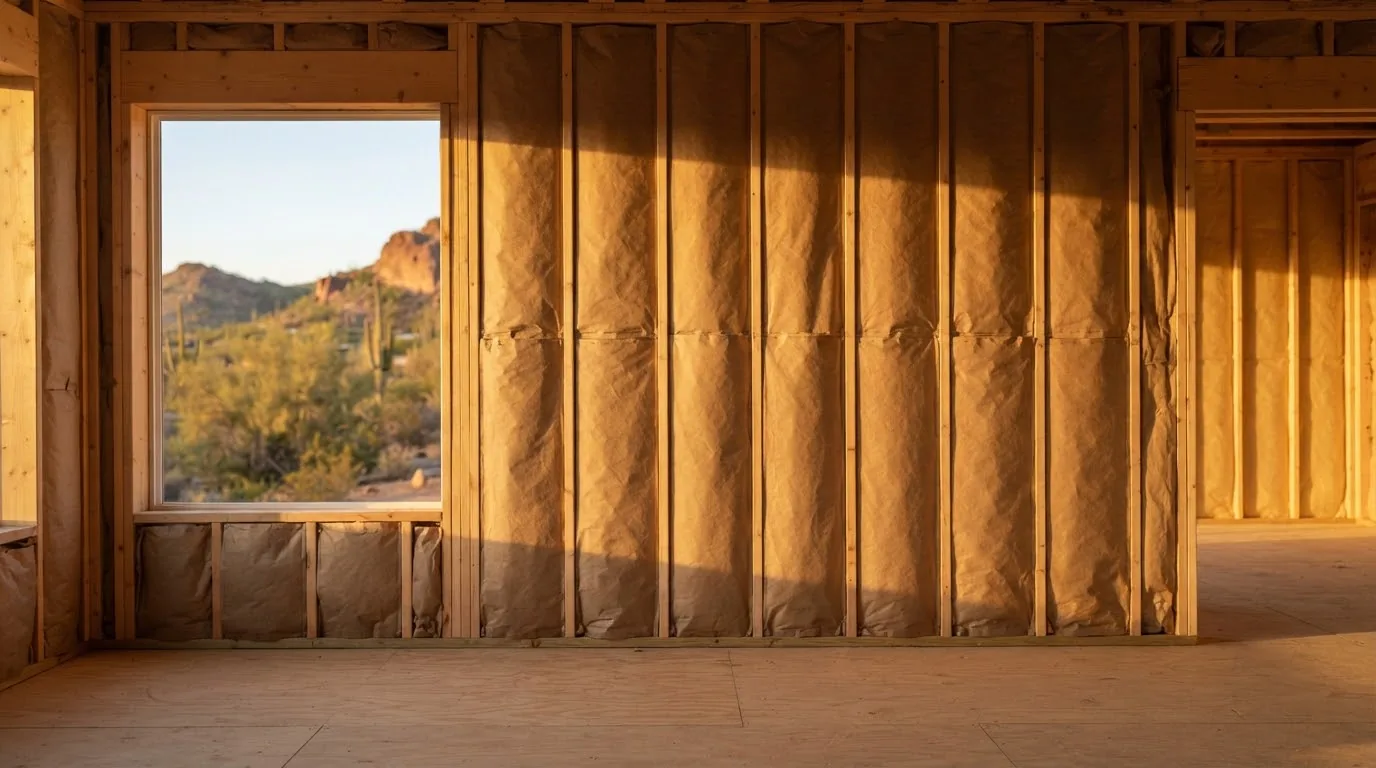
Walls, garages and additions
Remodels, garage conversions and additions are the moment to get walls right. Depending on the budget and goals, we use fiberglass batts or spray foam in open framing.
What it is like to have us in your home
We know having a crew at the house is an interruption. We keep it as small as we can.
We tell you ahead of time what needs to be moved and how long we expect to be there. We protect floors, furniture and anything near the work area before we start. During spray foam work we keep the area sealed and ventilated and explain when it is fine to come back in. When the job is done, we clean up thoroughly: trimmings, bags, debris and dust go with us.
You will get a warranty on the completed work, and you can call the same number you called to book the job if anything comes up afterward.
Is it worth it?
Every house is different, so we will not promise you a specific savings figure. What we can say is that air sealing and proper insulation reduce how hard your cooling system has to work, and in a climate where the AC runs for months, that adds up. Many homeowners notice the comfort difference first: even temperatures from room to room, a quieter house, and an AC that finally cycles off on a hot afternoon.