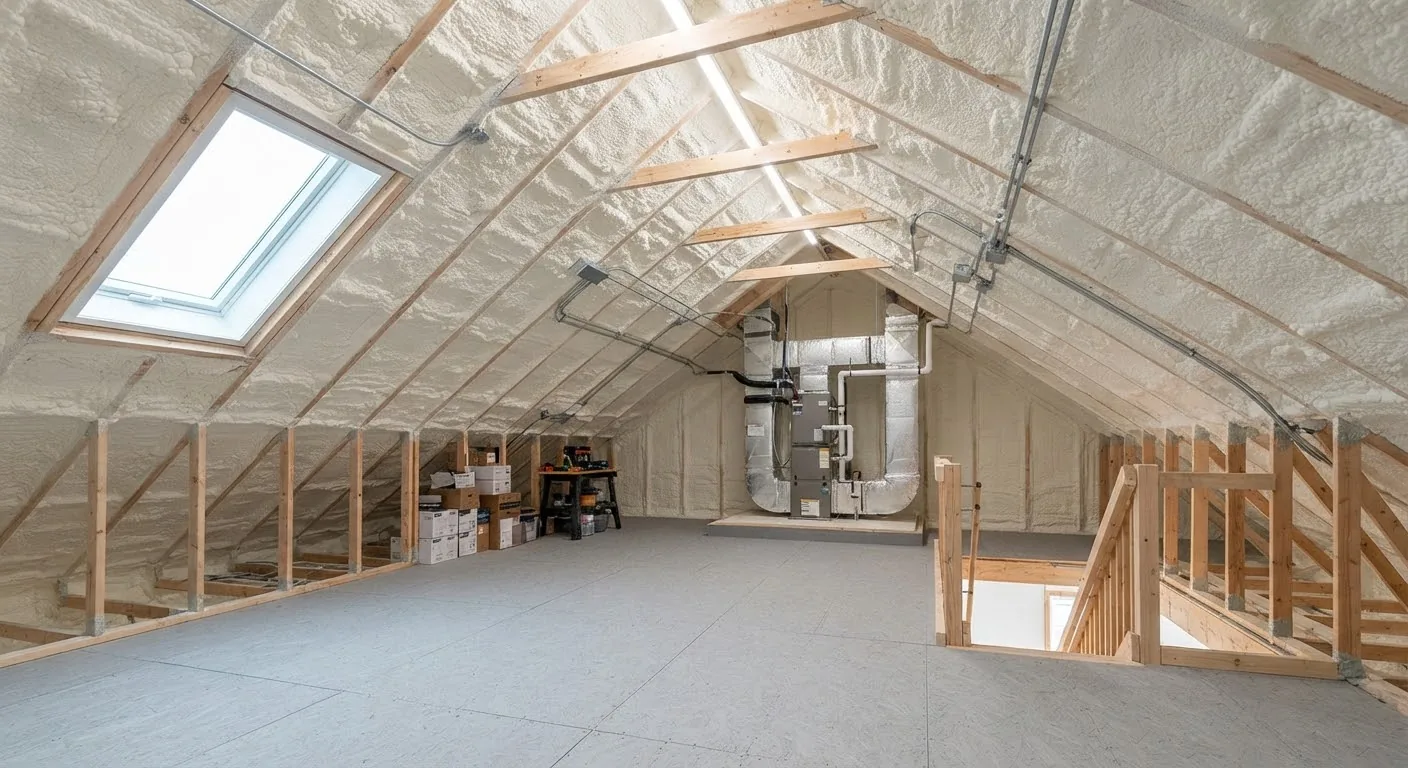
Closed cell spray foam is the heavy-duty member of the foam family. It is dense, it cures hard, and it packs roughly R-6 to R-7 into every inch. Where open cell is a soft, sound-absorbing air sealer, closed cell is closer to a rigid shell: it insulates, seals air, holds back moisture and adds stiffness to whatever it is bonded to.
That makes it the right answer for some jobs and an expensive answer for others. This page is about telling the two apart.
What is different about it
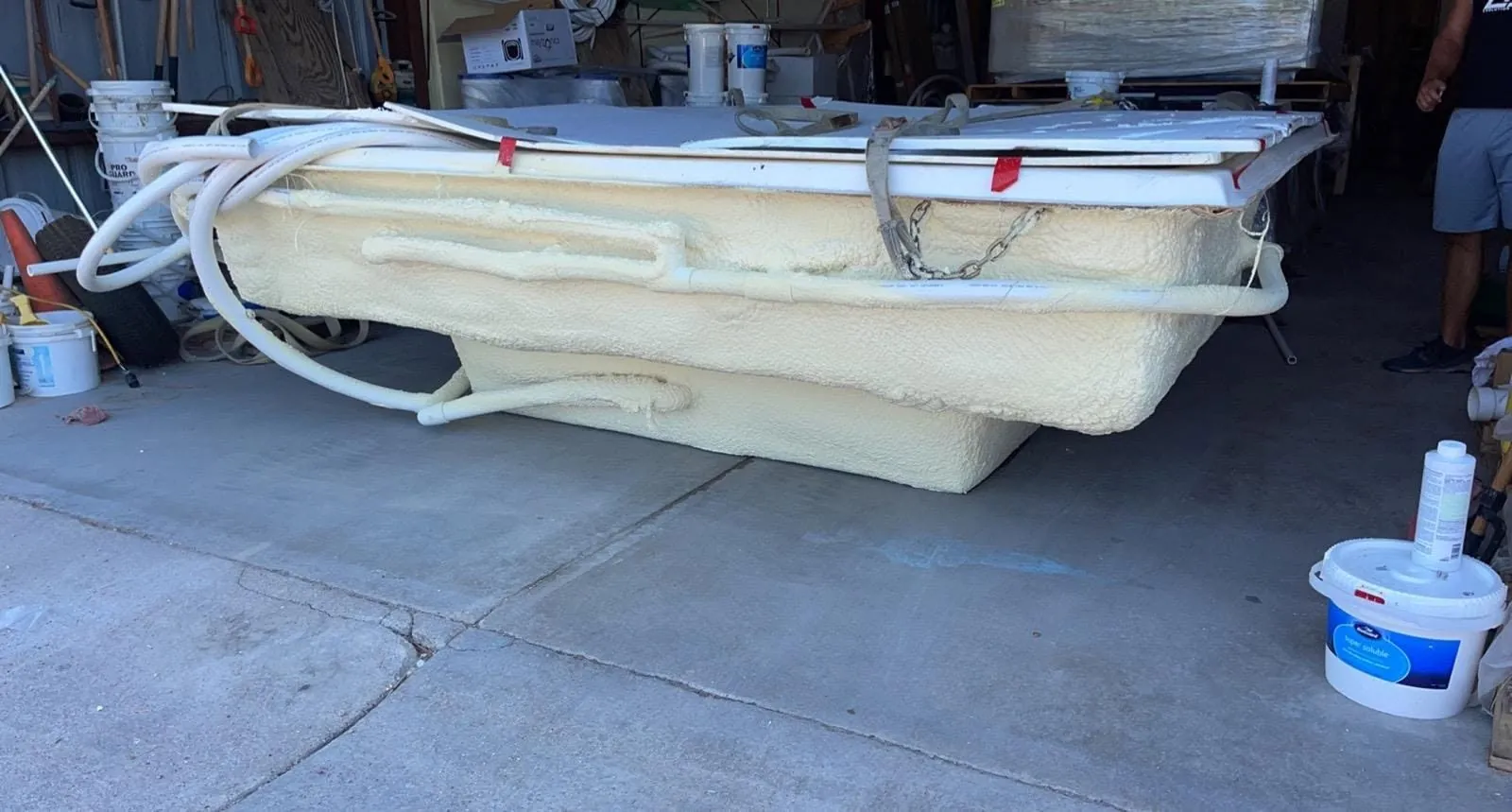
The name comes from the foam's structure. In open cell foam, the tiny cells are broken and connected, so the material is soft and air can move through it. In closed cell foam, each cell is sealed and packed tightly against its neighbors. The result is a foam roughly four times as dense, around two pounds per cubic foot.
That density brings four practical properties:
- Higher R-value per inch. Roughly R-6 to R-7, compared with about R-3.5 to R-3.8 for open cell.
- Vapor control. At around two inches, closed cell acts as a vapor retarder. Water vapor does not pass through it easily, and it does not soak up liquid water.
- Rigidity. Bonded to studs, panels or decking, it adds racking strength and stiffens thin materials.
- Durability. It holds up in garages, shops and working spaces where softer insulation would get torn or crushed.
The jobs it was made for
Metal buildings and pole barns
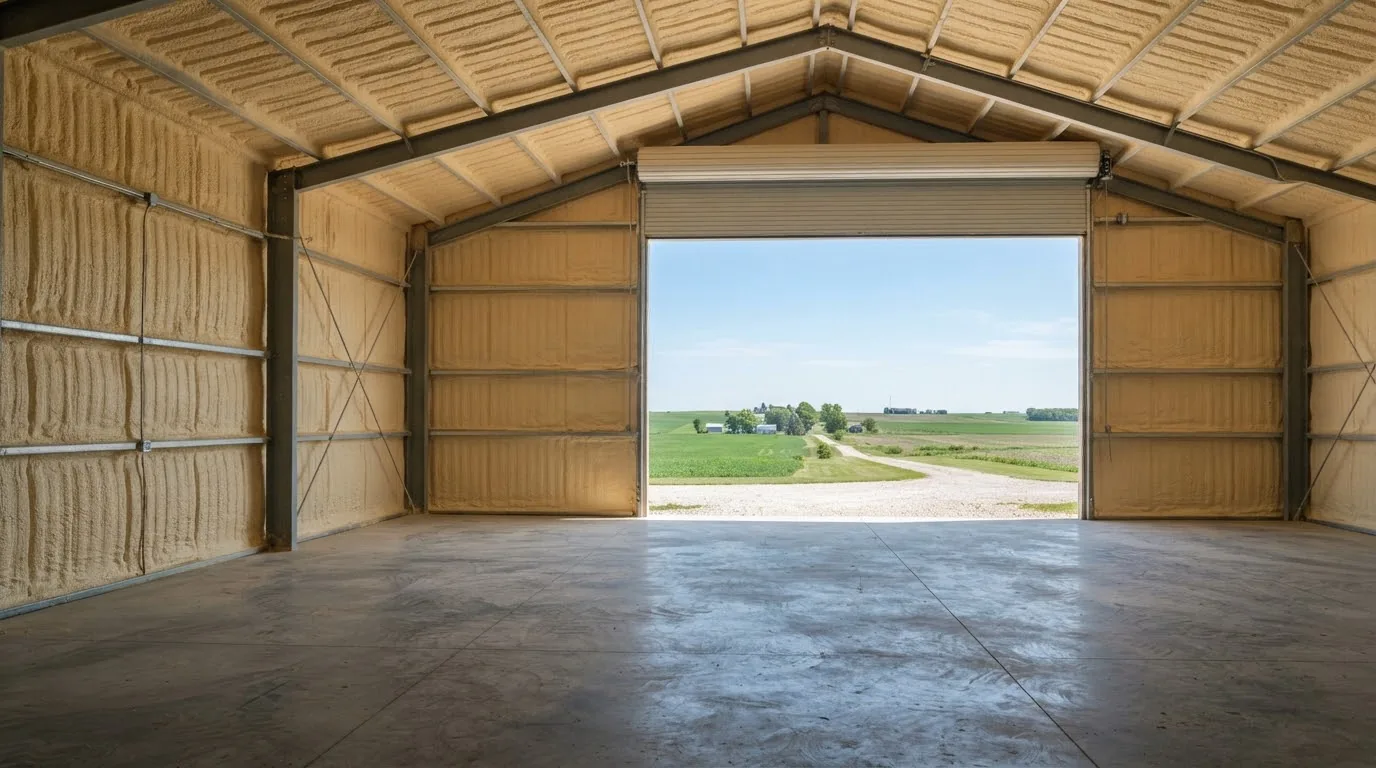
This is where closed cell earns its reputation. A bare steel building in the Arizona sun turns into a heat radiator by midday. When the temperature drops at night, or when a swamp cooler or AC kicks on, warm humid air hits cold steel and condensation drips onto equipment, stock and floors.
Closed cell applied directly to the panels does three things at once. It insulates against the radiant heat, it bonds to the steel and stops the condensation where it forms, and it stiffens the panels so they rattle less in monsoon winds. For shops, storage buildings, agricultural barns and equipment sheds across the far East Valley, from Gilbert out to Queen Creek and San Tan Valley, it is often the only insulation that makes sense.
Commercial buildings
Warehouses, light industrial spaces, offices with metal decks, and restaurants with demanding interior conditions are good candidates. Closed cell keeps a lot of R-value in a thin layer, which matters when ceiling heights and clearances are fixed. We work with building owners and managers in Glendale, Phoenix and the West Valley on these projects.
Roof decks where depth is limited
Some roof framing simply does not have room for the thickness open cell would need. Closed cell gets more R-value into a shallow cavity. It is also a reasonable choice where the roof assembly needs a vapor retarder at the deck.
Below grade and damp spaces
Basements are rare in the Valley, but where we find below-grade walls, crawlspaces or rooms with moisture concerns, closed cell's resistance to water makes it the safer pick.
Garages and shops attached to homes
Garage walls that take a beating from tools, bikes and storage benefit from a hard foam surface. Closed cell on the walls, with open cell or another product on the ceiling, is a common combination.
When closed cell is overkill
We will say it plainly: closed cell is not always worth the extra cost. Because it is denser, it uses more material per board foot and costs more for each unit of R-value. Situations where we often recommend something else:
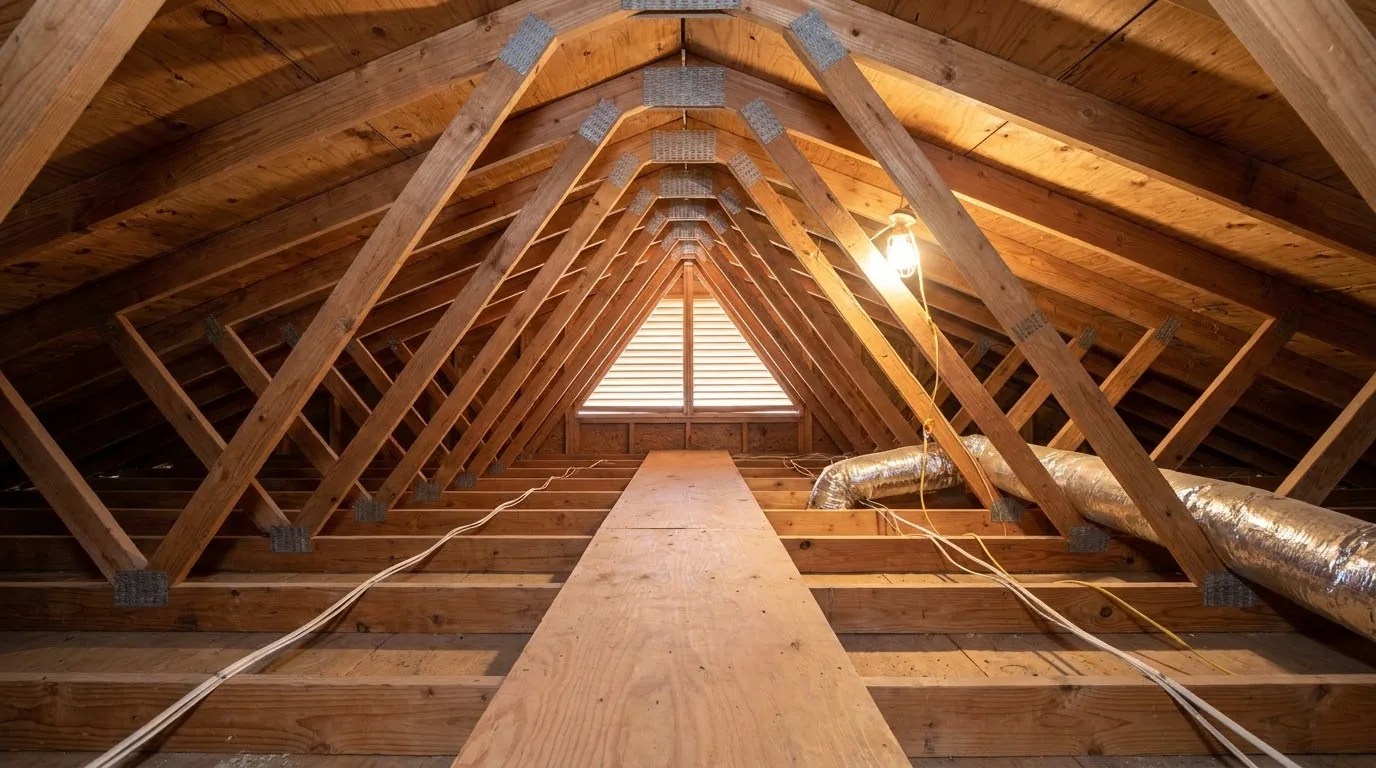
- A typical home attic with plenty of rafter depth. Open cell usually reaches the target R-value at a lower cost, and its vapor-permeability lets a roof leak show itself. See open cell spray foam.
- Interior walls for sound. Open cell absorbs sound better.
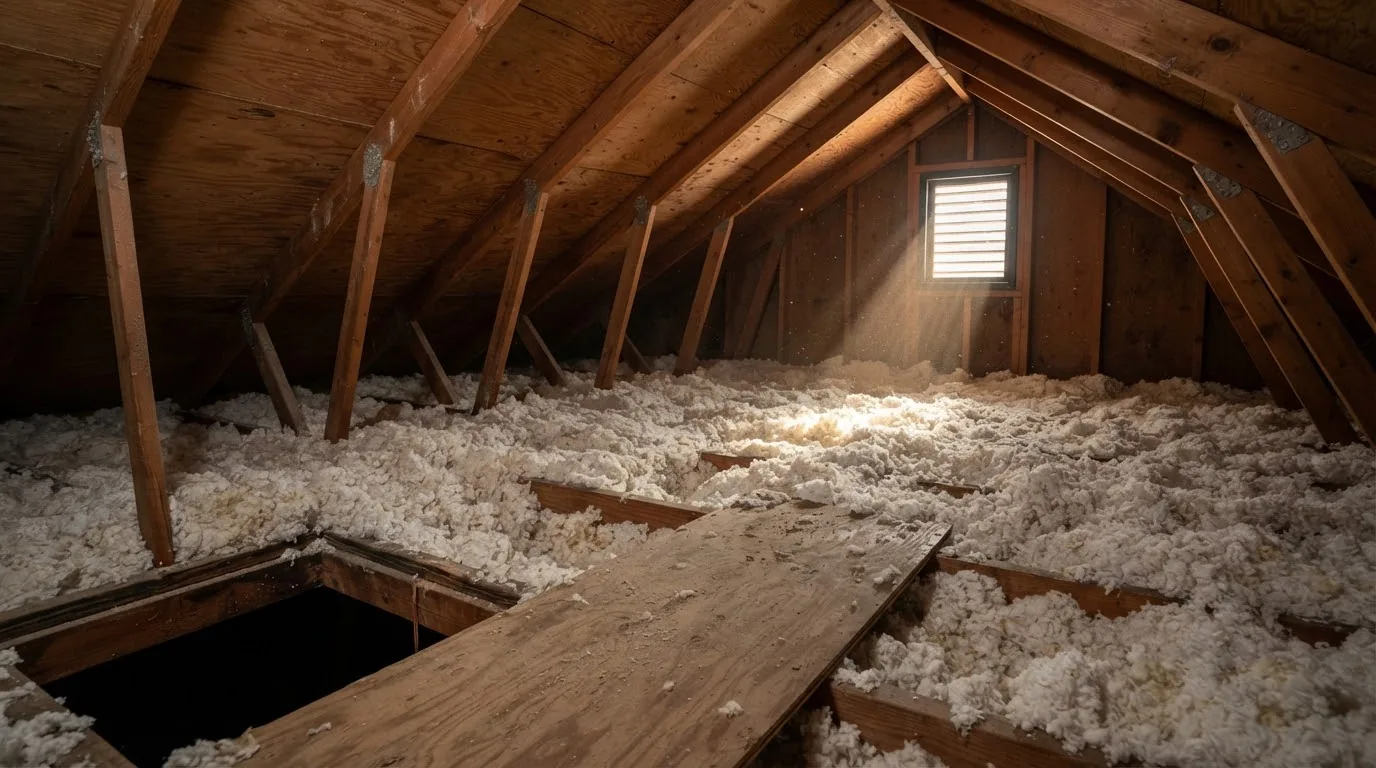
- Simple attic floor top-ups. Blown-in loose-fill is often the economical choice when ducts are not in the attic.
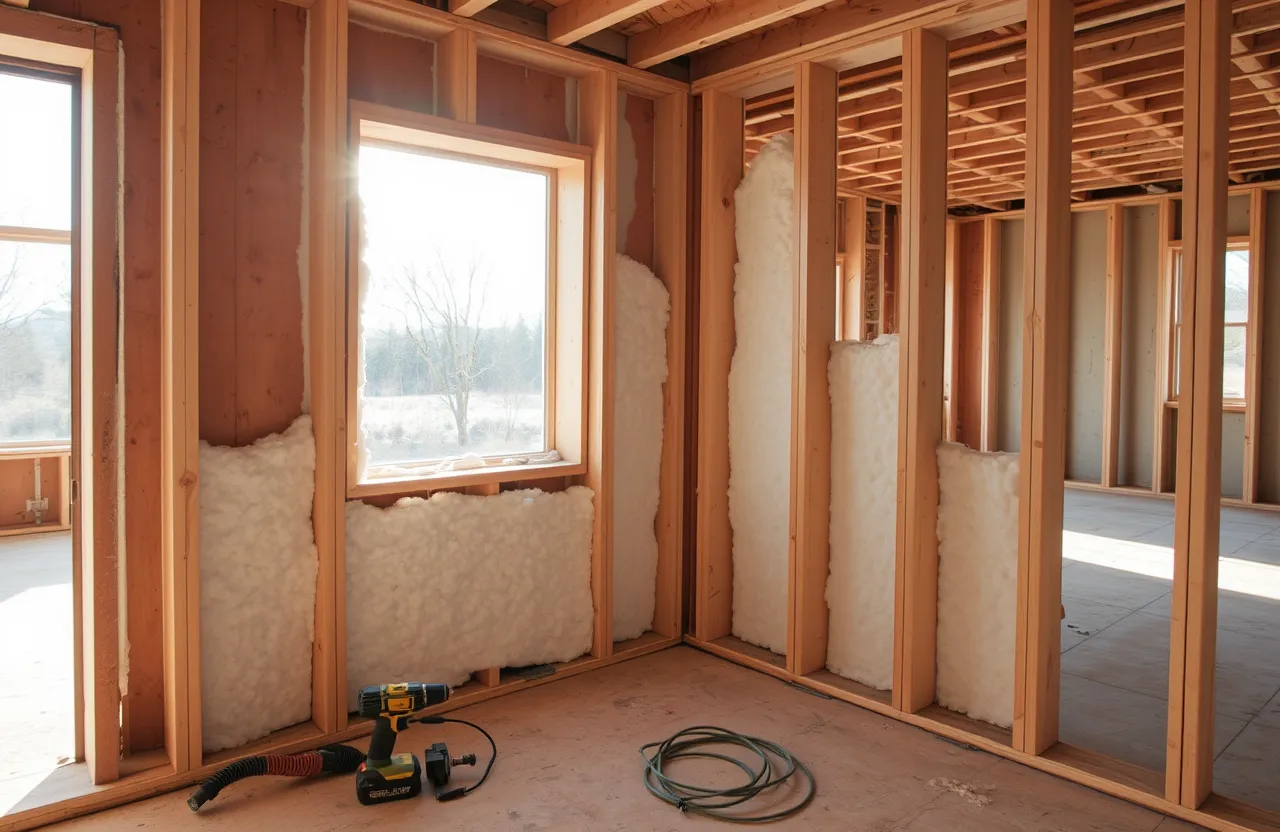
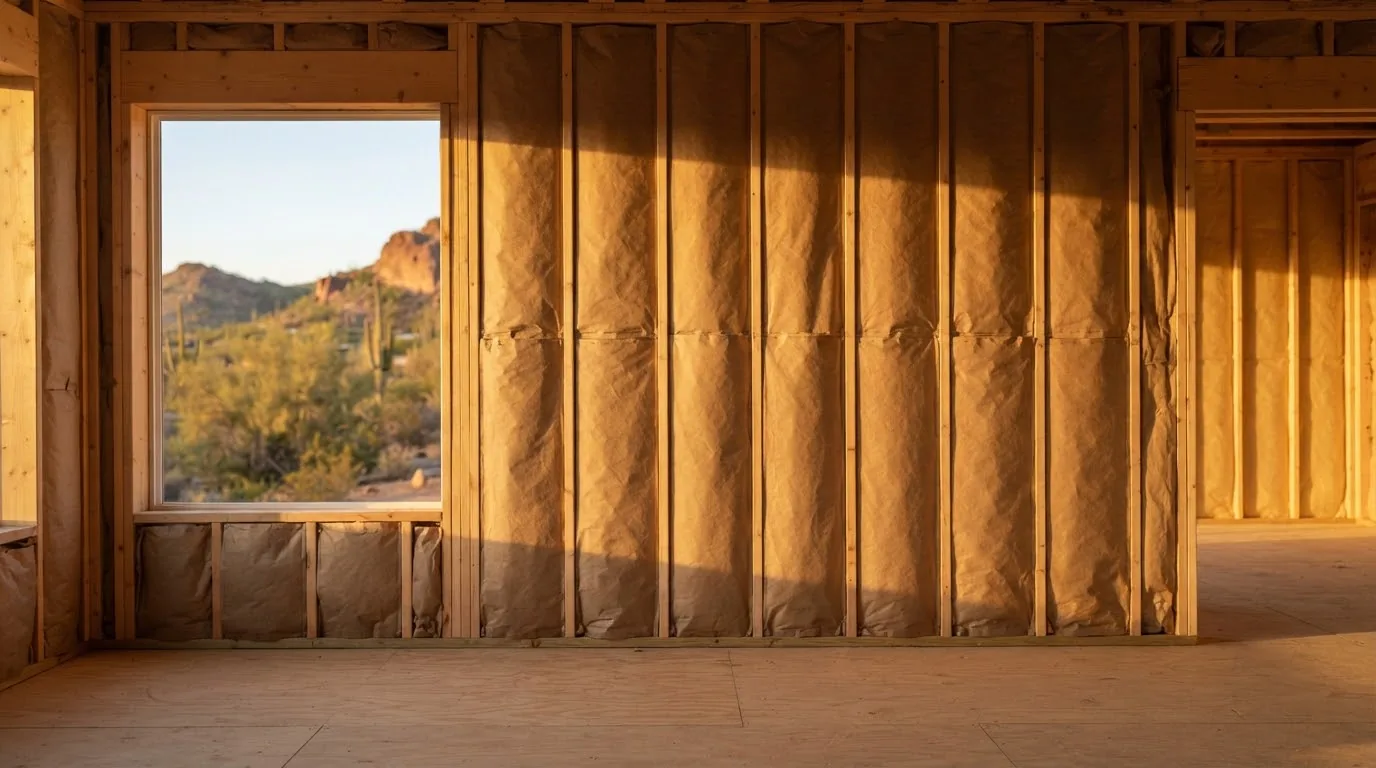
- Walls in a modest-budget remodel. Well-installed batts can do the job when air sealing is handled separately.
Matching the product to the building is a big part of what you are paying a contractor for. If closed cell is not the best value for your project, we will tell you.
How we run a closed cell job
Assessment. We visit, measure, and look at the structure, the panels or framing, and any condensation, leaks or rust. Free.
Written proposal. It lays out the surfaces to be foamed, the target thickness, any prep needed (such as cleaning or drying panels), and the price.
Scheduling. We work around your operations. For a working shop or commercial building, that may mean phased work or off-hours scheduling where possible. The area must be clear of people during spraying and for a period afterward.
Install and protection. Equipment, floors, windows and anything that should not get foam on it is masked and protected before work starts.
Cleanup and warranty. We leave the space clean and back your completed work with our warranty, explained up front.
Request a free closed cell assessment
The Arizona angle
Closed cell is not a cold-climate product that happens to work here. Intense afternoon sun on a metal roof, big daily temperature swings and monsoon humidity are exactly the conditions where a dense, vapor-resistant foam pays off. Lower heat gain means cooling equipment does not have to work as hard, though the actual savings depend heavily on the building and how it is used.
For the side-by-side comparison of both foam types, see the spray foam insulation overview.