Not every job needs spray foam. We say that a lot, and it surprises people coming from a company with "foam" in its name. But fiberglass batts are a proven, affordable insulation, and for plenty of walls in plenty of projects they are the sensible choice.
The catch is that batts only perform as rated when they are installed with care. Most of what goes wrong with batt insulation is not the product. It is the install.
Where batts make sense
New construction walls
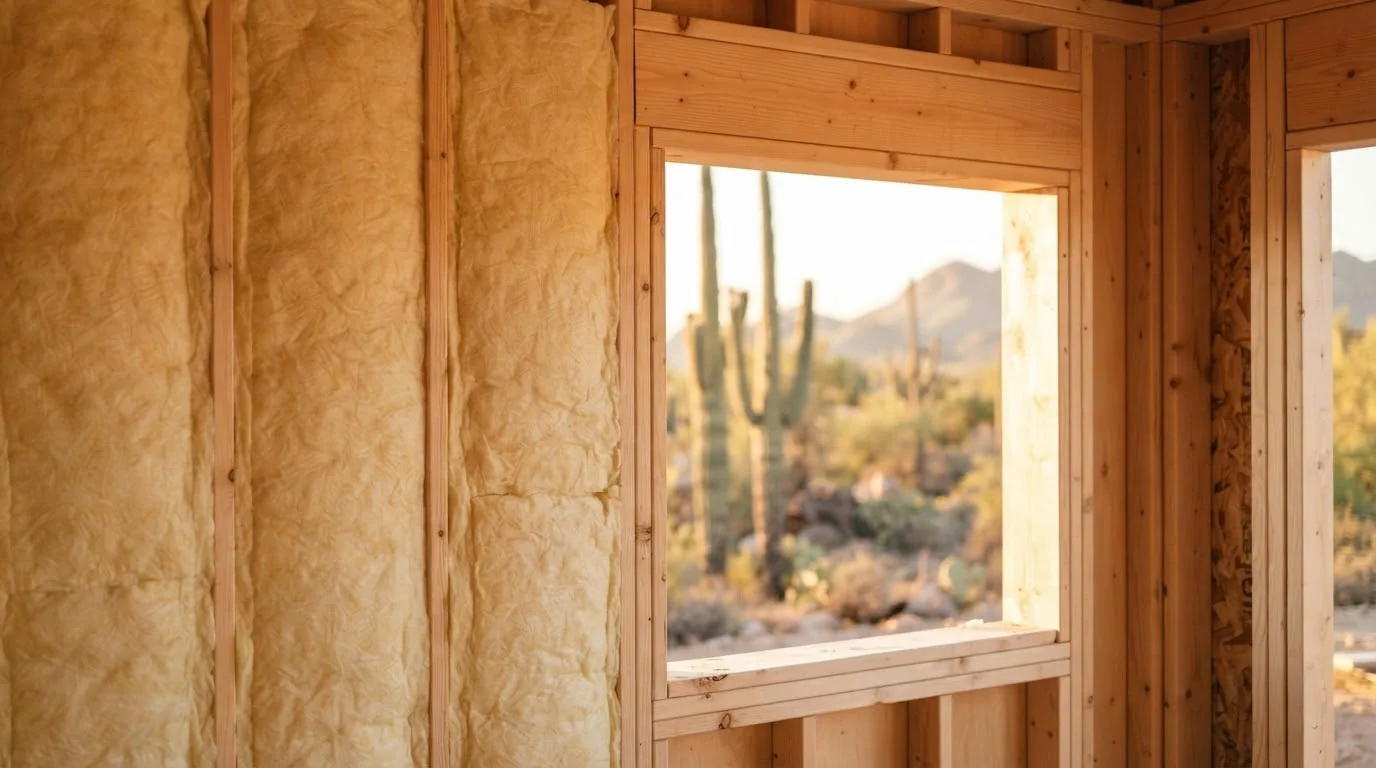
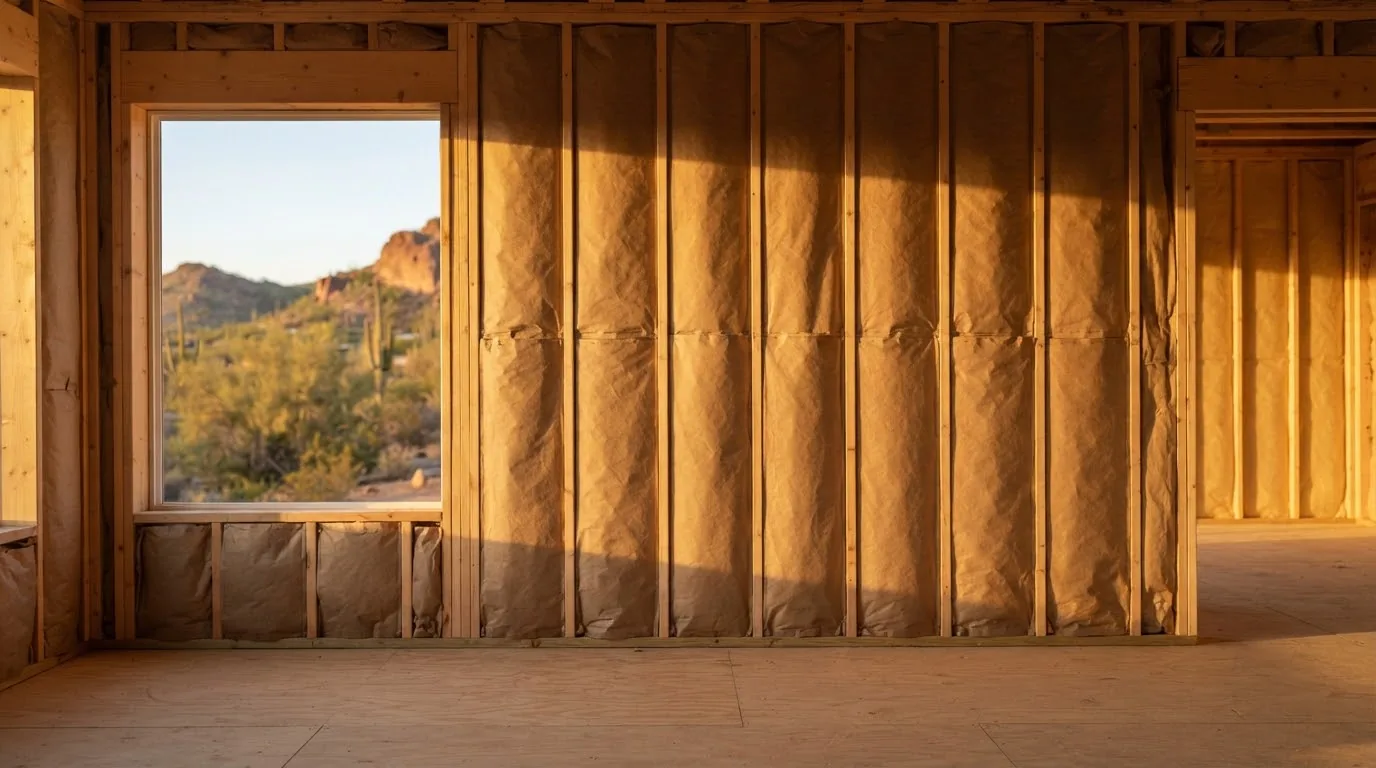
Open stud bays in a new home or addition are the classic batt application. The cavities are accessible, standard sizes match standard framing, and the cost per square foot is modest.
Remodels and additions
When walls are opened up for a kitchen, bath or room addition, it is the ideal time to insulate them properly. Many older Valley homes have frame walls with thin or missing insulation, and a remodel is the chance to fix that.
Garage conversions
Turning a garage into a bedroom, office, gym or casita is popular across the metro. Garages typically start with little or no insulation in the walls and ceiling. Batts in the walls, combined with the right ceiling insulation, can turn a space that was an oven in July into a room people actually want to use.
Interior walls
Batts in interior walls around bathrooms, laundry rooms and bedrooms soften sound between rooms at a low cost.
Budget-conscious projects
When the numbers are tight, a carefully installed batt job paired with attention to air sealing gets you most of the way for less money than foam.
The install is the whole game
A batt's R-value is measured in a lab with the batt at its full thickness, filling the cavity with no gaps. In a real wall, small mistakes can cost a surprising amount of performance. This is what we pay attention to:
No compression
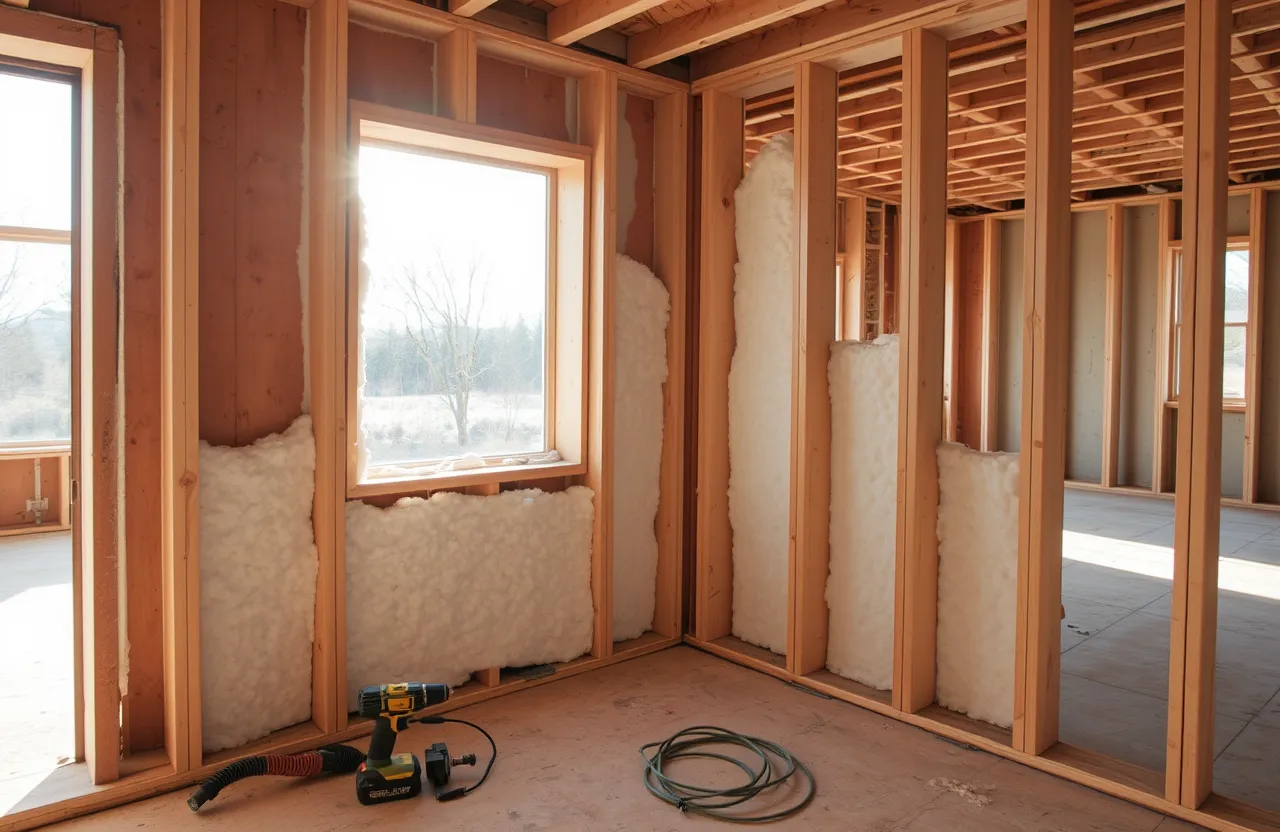
Stuffing a thick batt into a shallow cavity, or squashing it behind wiring and pipes, packs the fibers together and lowers the effective R-value. We match the batt to the cavity depth.
No gaps or voids
A batt cut a little short, a missing corner, or a gap along a stud lets air move around the insulation. In Arizona heat, those small voids become hot spots on the wall.
Split around wiring and plumbing
Instead of jamming a batt behind an electrical cable, we split it so half goes behind and half in front. The cavity stays full without crushing anything.
Cut neatly around boxes and penetrations
Outlets, switches and pipe penetrations get fitted cuts, not torn-out handfuls.
Facing in the right place
Kraft-faced batts have a facing that acts as a vapor retarder. In a hot, dry climate, where that facing goes, or whether it is needed at all, follows local practice and code. We handle it correctly rather than by habit.
Air sealing comes first
Batts slow heat, but they do not stop air. Gaps at top plates, around windows and at wall penetrations should be sealed before the insulation goes in. Skipping that step is one of the main reasons batt walls underperform.
Batts vs spray foam: an honest comparison
| Fiberglass batts | Spray foam | |
|---|---|---|
| Upfront cost | Lower | Higher |
| Air sealing | None by itself; needs separate sealing | Built in |
| R-value per inch | Roughly R-3 to R-4 depending on product | Roughly R-3.5 to R-7 depending on type |
| Odd-shaped cavities | Harder to fill well | Fills any shape |
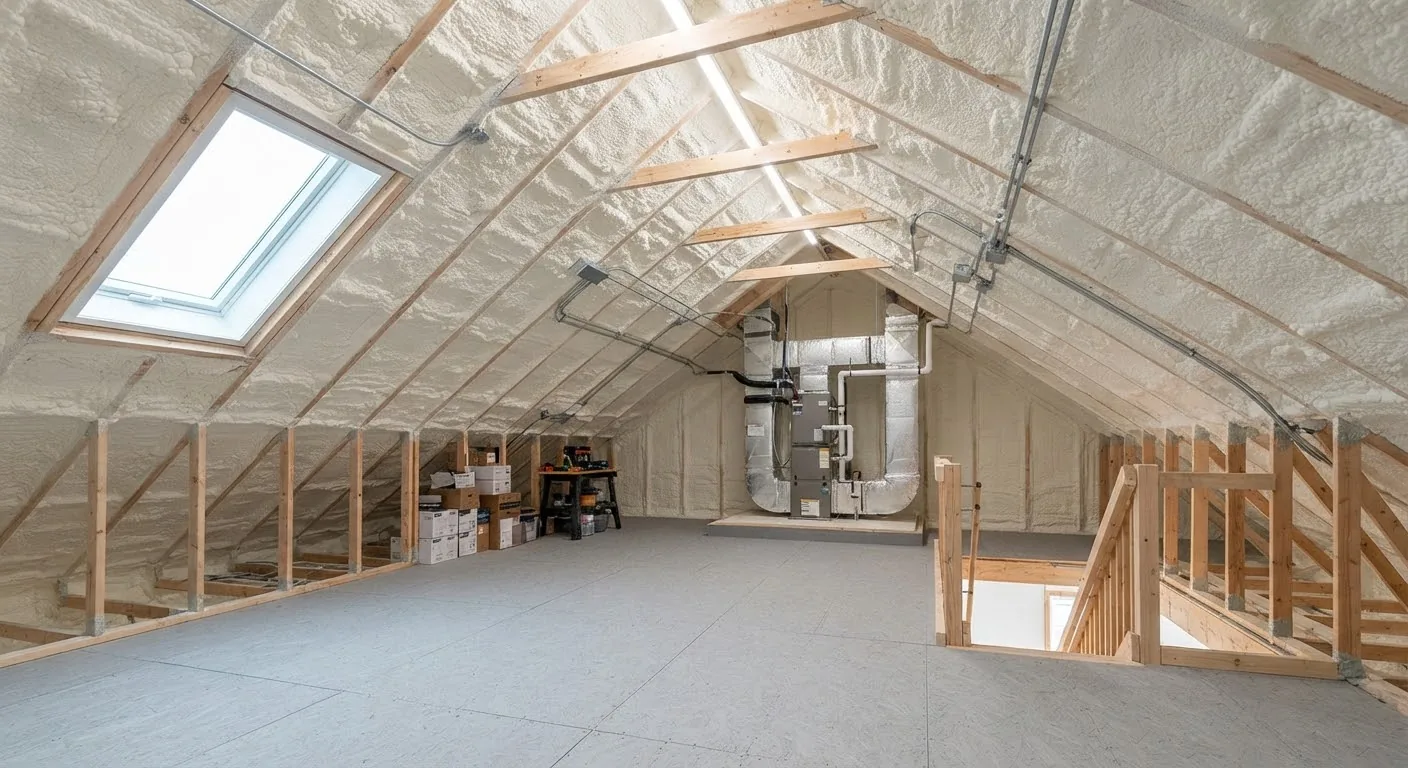
| Roof deck / unvented attic | Not suitable | Well suited |
| Skill sensitivity | High; poor install loses performance | High; must be applied correctly |
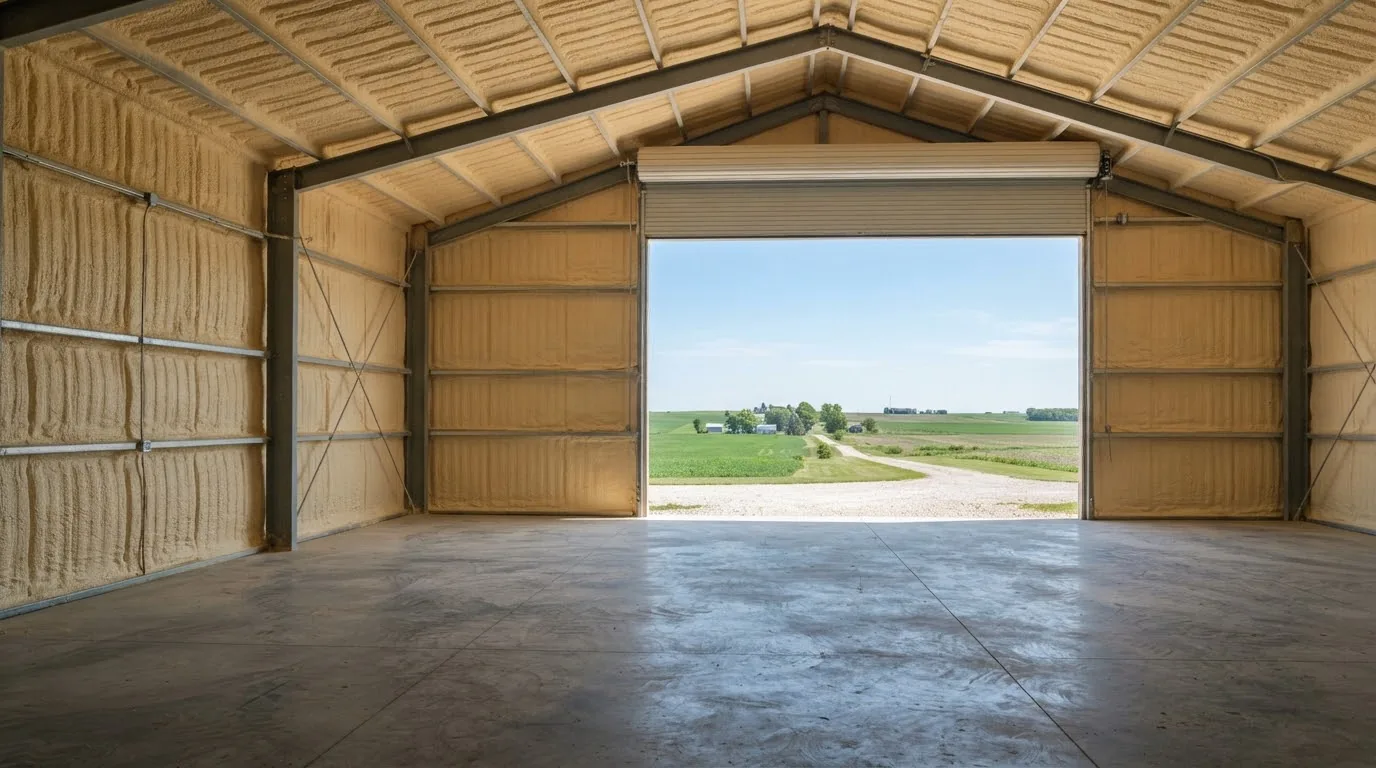
Our rule of thumb: for walls in a remodel, an addition or a garage conversion where budget matters, batts done well are a good value. For the roof deck, metal buildings, or anywhere air leakage is the main problem, look at spray foam insulation. Many projects use both.
For attic floors, blown-in insulation usually fills better than batts because it settles around joists and obstructions. See blown-in insulation.
Get a free estimate for batt insulation
Residential and commercial
Most of our batt work is in homes: additions, remodels, garage conversions and new builds. We also insulate commercial interiors such as office build-outs, tenant improvements and demising walls, where batts offer an economical way to add thermal and sound control.
What working with us looks like
- Free assessment. We look at the framing, measure, and talk through how the space will be used.
- Detailed proposal. Cavity depths, batt types and R-values, air sealing scope and price, written out.
- Scheduled install. Timed to fit your project. In a remodel, we coordinate so insulation goes in after rough-in and before drywall.
- Warranty on completed work. Terms explained before the job starts.
- Thorough cleanup. Batt offcuts, bags and fibers cleaned up, leaving the space ready for the next trade.
We install batt insulation throughout the metro, from Chandler to Glendale and everywhere in between.